
A room comes together when furniture and decor are chosen as one plan, not two shopping trips. Pick the big pieces first, then layer lighting, textiles and accents around them so everything shares a palette and a sense of scale. That single habit is what separates a styled room from a collection of nice things that do not talk to each other, and it is the first thing worth getting right before you set foot in a home decor furniture store.
In 2025, furniture generated USD 391.5 billion of the global home decor market, the largest product segment of all (Global Market Insights, Home Decor Market Size & Share Report, 2025). The pieces you commit to carry the most weight, in your room and your budget. So the smart move is to let them lead.
How Furniture and Home Decor Work Together
Furniture sets the structure of a room and decor sets the mood. In 2025, the global home decor market was valued at USD 680.6 billion and is projected to reach USD 702.3 billion in 2026 (Global Market Insights, Home Decor Market Size & Share Report, 2025). That spend covers both halves of the job, and the two only work when they follow the same brief.
Think of furniture as the sentence and decor as the punctuation. A sofa, a dining table and a cabinet give a room its shape and its daily function. Rugs, cushions, art, plants and lighting then tell you how to feel in that space. When the palette, the materials and the scale agree across both groups, a room reads as deliberate.
The common mistake is buying each piece on its own merit. A beautiful chair bought in isolation can still fight the sofa it sits beside. Before you add anything, decide on two or three colours and one or two materials you want to repeat. Timber, rattan and warm neutrals travel well in Malaysian homes, and they give new purchases something to echo.
Building a Room From the Anchor Piece Out
Every room has one anchor piece, and you should buy it first. For the US market, living room furniture is the single largest furniture segment at US$68.96 billion in 2026 (Statista, Furniture - United States, 2026). That weight reflects a simple truth: the sofa or the dining table usually decides everything else.
The anchor is the largest, most-used, most expensive item in the room. In a lounge it is the sofa. In a dining space it is the table. Choose its size, colour and material carefully, because those three decisions quietly set the rules for the rug, the lighting and the accent chairs that follow.
Work outward in layers. First the anchor. Then the pieces that serve it directly, a coffee table or dining chairs. Then the supporting furniture such as a side table or sideboard. Decor comes last, once the bones are in place. This order stops you from buying a rug that never matches the sofa you later fall for.
For a closer look at how to pick that central piece, our guide to how to choose a modern sofa in Malaysia walks through size, fabric and layout in detail.
Balancing Statement and Supporting Items
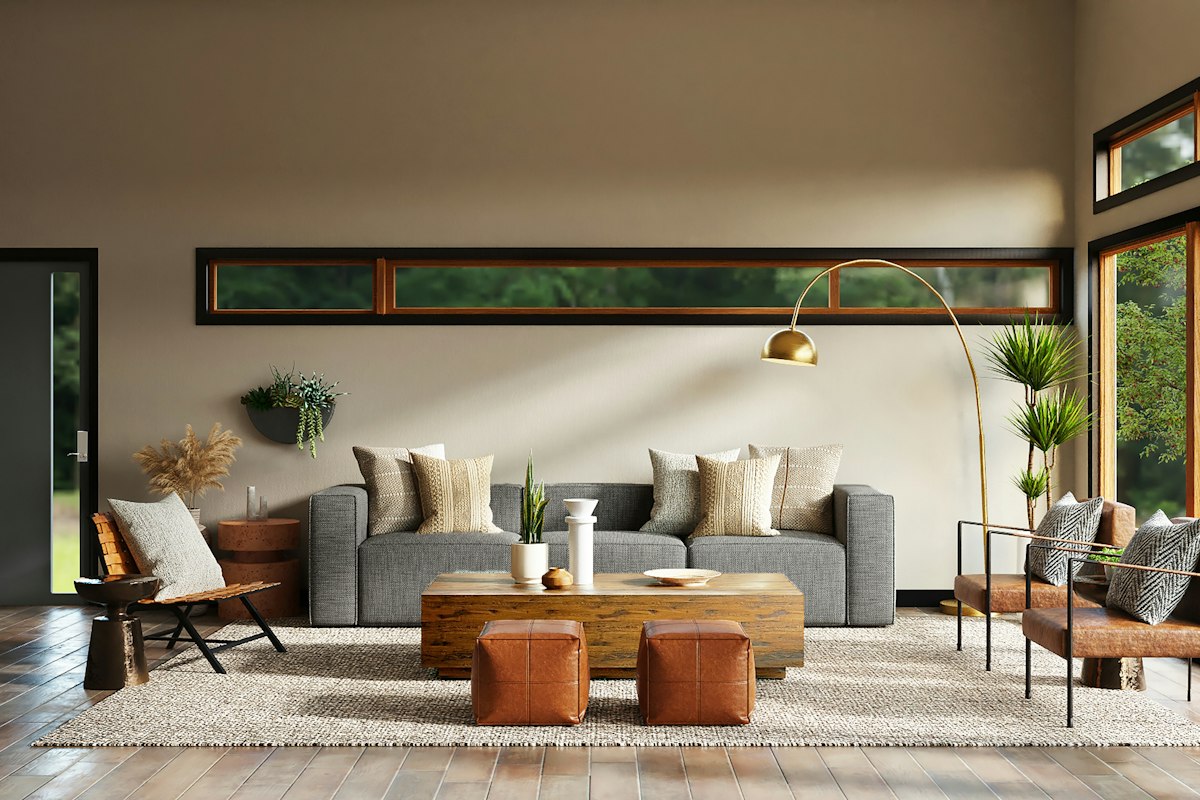
A room needs one voice that speaks up and several that stay calm. Aim for roughly one statement item per zone. A sculptural sofa, a bold dining table or a striking light fitting can lead, but only one per area. When two loud pieces share a space, the eye has nowhere to settle and the room feels busy.
Supporting items do the quiet work. Side tables, storage, neutral chairs and plain textiles give the statement piece room to breathe. Keep them in the palette you chose and let their shapes stay simple. Their job is to hold the room together, not to compete for attention.
Scale is the other half of balance. A large sofa wants a substantial coffee table and a rug big enough to sit under the front legs of the seating. Small accessories scattered across a big room read as clutter. Fewer, larger pieces almost always look more considered than many small ones.
Texture keeps a calm palette from turning flat. Pair a smooth leather sofa with a woven rug, a timber table with linen cushions, a matte wall with a glazed ceramic vase. In a neutral scheme, that contrast of surfaces is what gives a room depth without adding a single new colour.
Seasonal Refresh Ideas Without a Full Remodel
You can change the feel of a room each season without touching the furniture. Online home decor sales reached USD 282.4 billion in 2025, about 41.5% of the market, which shows how easily small accents now reach buyers between bigger purchases (Global Market Insights, Home Decor Market Size & Share Report, 2025). Textiles and accents are where a refresh lives.
Start with the soft layers. Swap cushion covers, throws and a rug for a new season and the room shifts mood immediately. Cooler, lighter fabrics suit the long dry stretches, while deeper tones and heavier weaves warm a space for festive gatherings. None of it touches the anchor piece.
Lighting is the second lever. A warmer bulb, a new lamp or a cluster of candles changes a room after dark more than most people expect. Plants are the third: a few fresh stems or a larger potted palm bring life into a corner that felt static.
Rotate rather than accumulate. Keep a small store of off-season cushions and accents and swap them in and out. That habit keeps the room feeling new across Malaysia's run of festive seasons without the waste, or the bill, of constant buying.
Curating a Look at a Home Decor Furniture Store
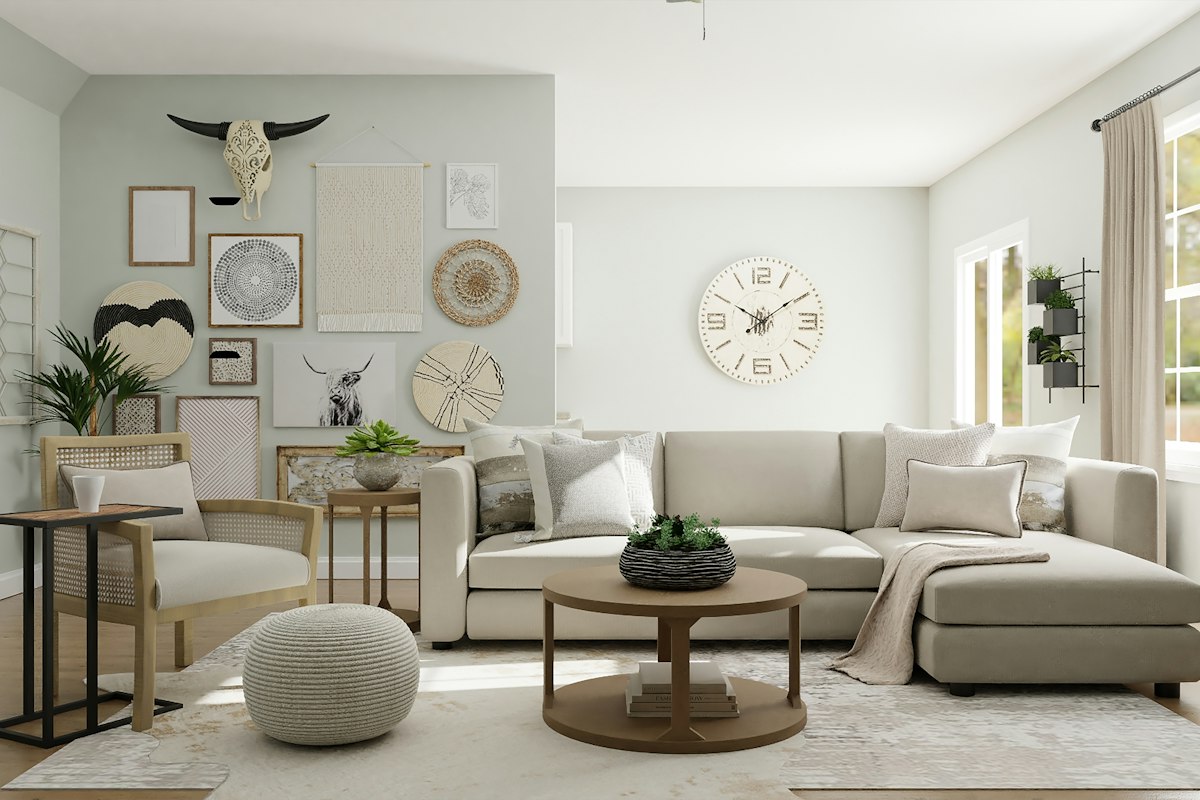
Styling a whole room is easier when the furniture already shares a design language. In 2026, the US furniture market alone is forecast at US$249.51 billion, with per capita spending of US$714.85 (Statista, Furniture - United States, 2026). People invest real money in these pieces, so coherence across a collection matters.
Nicchris designs modern sofas, dining tables, chairs and cabinets as a connected range, which takes the guesswork out of matching. When the anchor piece and its supporting cast come from one design vocabulary, the hard part of styling is done before the decor arrives. You choose the statement, and the quiet pieces already agree with it.
That coherence is also why seeing furniture in person still matters. More than half of home decor sales, 58.5% in 2025, still happen offline (Global Market Insights, Home Decor Market Size & Share Report, 2025). Scale, comfort and the grain of a timber top are hard to judge from a screen, and a good showroom lets you test them in daylight.
If you want to start that process, the next step is simple: settle on your anchor piece, decide on two or three colours to repeat, and bring that brief to a showroom where you can sit, touch and compare before you commit.