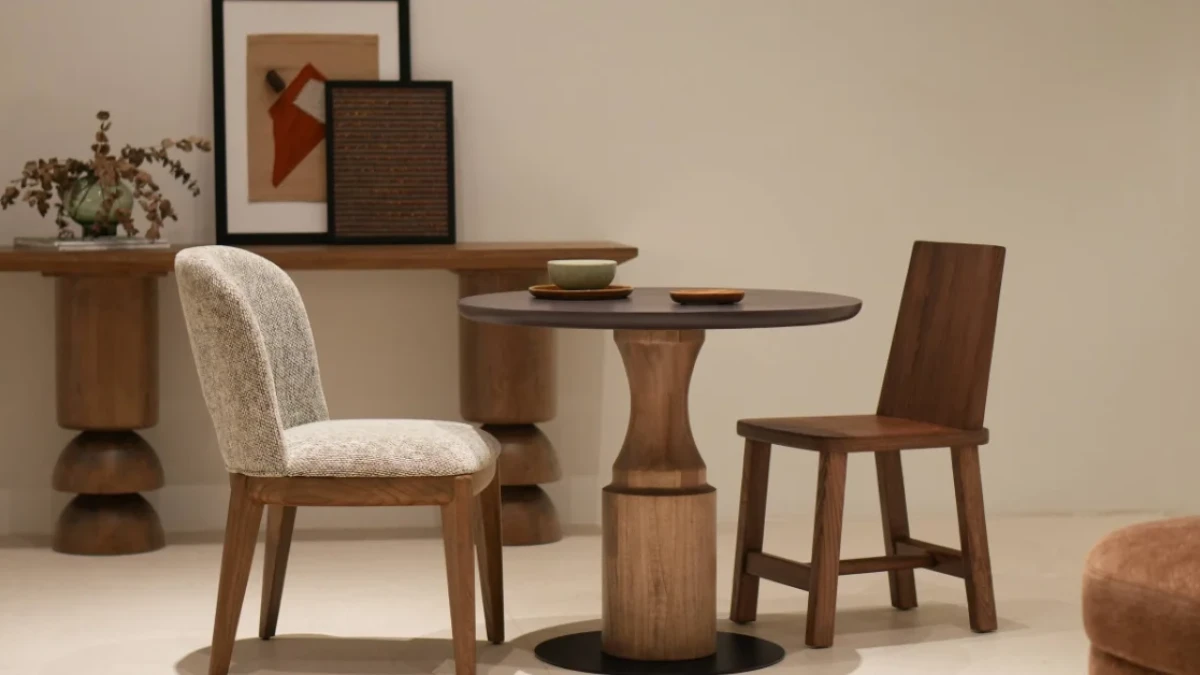
A good furniture designer decides how a sofa feels when you drop onto it after work, how a dining table handles years of shared meals, and whether a piece still looks right in a small Malaysian apartment. At Nicchris, that work turns a rough sketch into home furniture decor built for local rooms, local weather and the way families here actually live. This article takes you inside that process, from the first idea to the finished piece on the showroom floor.
The Role Of A Furniture Designer Today
A modern furniture designer is part artist, part engineer and part problem solver. The job is to make something beautiful that also sits well, lasts long and fits a real space. Good looks alone no longer win. Buyers now compare comfort, materials, durability and value before they commit.
That shift matters commercially. Malaysia's home decor market was worth USD 3,287.17 million in 2024 and is projected to reach USD 4,626.29 million by 2033 (IMARC Group, 2025). A growing market means more choice, so design has to earn its place in your home.
A designer today works across many pressures at once. They think about proportion and style, but also about shipping, assembly, cost and repairability. The result is furniture and home decor that photographs well and still performs after five years of daily use.
How Nicchris Develops A New Collection
Every Nicchris collection starts with a question about how people live, not with a drawing. Designers study how Malaysian families use their living and dining rooms, what sizes fit common apartment layouts, and which shapes feel current without dating quickly. Only then does the sketching begin.
The depth of local craft gives designers room to be ambitious. In 2024, Malaysia exported RM9.9 billion of wood furniture, an 8.4% rise on the previous year (The Star, 2025). That manufacturing base means a designer can specify solid joinery and quality timber and expect workshops that know how to deliver it.
From there, the team sets a clear brief for the collection. A new sofa line, for example, needs target dimensions, seat depth, cushion firmness, frame material and a price band. Those constraints keep the creative work honest. A stunning chair that costs too much to build, or will not fit through a condo door, never makes it past the brief.
Research Comes First
Designers gather references, measure real rooms and note what frustrates owners about their current pieces. Sagging cushions, wobbly legs and fabric that fades in strong sun all become design targets. This grounding is what separates considered home furniture and decor from a pretty render.
Sketch To Prototype To Showroom
The path from idea to shelf runs through three clear stages: sketch, prototype, showroom. Each stage exists to catch problems early, when they are cheap to fix. By the time a piece reaches customers, it has usually been rebuilt several times.
First come the sketches. Designers draw many options quickly, then narrow to a few strong directions. The best sketches move to scaled technical drawings that spell out every dimension and joint. This is where a loose idea becomes something a workshop can actually build.
Next comes the prototype. A full-size sample gets built, sat on, leaned against and inspected. Does the seat support your back? Does the table feel steady when you lean on one corner? Prototypes often expose issues no drawing could predict, so the team adjusts and rebuilds until the piece feels right.
Finally the piece reaches the showroom. Seeing it in a styled setting tests whether it works alongside other items and how it reads to a shopper walking past. If you want to see how finished pieces come together in real rooms, our guide to living room furniture ideas for Malaysian homes shows the same thinking applied to a full space.
Designing Home Furniture Decor For Malaysian Homes And Climate
Designing for Malaysia means designing for heat and humidity every single day. High moisture can warp poorly chosen timber, loosen weak joints and invite mould into fabrics. A designer who ignores the climate builds furniture that fails early, no matter how good it looks on day one.
Material choice does most of the heavy lifting. Stable engineered cores, properly dried solid wood and strong joinery resist the swelling and shrinking that humidity causes. Finishes are picked to seal and protect rather than just to add shine. For fabrics, the aim is covers that breathe, resist fading in bright light and wipe clean in a tropical setting.
Space is the other local constraint. Many Malaysian homes are apartments and condos where every centimetre counts, and a large share of furniture demand here is for pieces that fit compact urban living. Nicchris designs with those footprints in mind, favouring slim profiles, smart storage and modular shapes that adapt to tight floor plans.
Why does this matter to a buyer? Because furniture built for the wrong climate shows it fast. A piece designed here, by people who live here, is far more likely to look and feel good years from now.
Meet The People Behind The Pieces
Behind every Nicchris collection is a small team that treats furniture as a craft, not a commodity. Designers, workshop makers and showroom staff each shape the final product. The designer sets the vision, the makers prove it can be built well, and the showroom team listens to how real customers respond.
That feedback loop keeps the work honest. When a customer says a sofa arm sits too low or a table feels too large for their room, the team hears it and carries it into the next design. Furniture made this close to its users tends to fit their lives better than mass-produced home furniture decor shipped in from far away.
People are also where experience shows. Makers who have built hundreds of frames know instinctively which joints hold and which fail under Malaysian humidity. That accumulated knowledge is hard to copy and easy to feel the moment you touch a well-made piece.
Where To Go From Here
If you are weighing up your next sofa, dining table or cabinet, start by thinking like a designer: ask how a piece will fit your room, your weather and your daily routine before you fall for the finish. Visit a Nicchris showroom or browse the current collection, sit on the pieces, check the joints, and picture them in your own home. The right piece is the one designed for how you actually live, not just for a photograph.