
The best furniture store for you is the one that is honest about price, materials and what happens after delivery. Before you pay, judge every store on four things: the real landed cost, how the piece is built, the delivery and returns terms, and whether a designer label reflects genuine quality. This guide walks through each one so a sofa or dining table you buy this year still holds up in five.
Most furniture stores look similar in a glossy catalogue. The differences show up in the frame you cannot see, the delivery window nobody mentioned, and the return policy printed in small type. Knowing what to ask turns a stressful purchase into a confident one.
Comparing Furniture Stores on Catalogues and Price
As of 2024, about 71 percent of consumers buy furniture online at some point in the year, according to aggregated retail data (FirstChair, 2025). That shift means you can line up a dozen catalogues in a single evening, so the real skill is reading what a price actually includes.
A sticker price rarely tells the whole story. One store quotes a low figure then charges separately for delivery, assembly and fabric protection. Another folds all of that in. Compare the full landed cost: product, delivery to your floor, assembly, and the cost of sending it back if it fails.
Price tiers also signal different things. A very cheap dining table usually means veneer over particleboard and stapled joints. A mid-range piece often uses solid timber on the parts that take stress. Match the tier to how hard the piece will work. A guest-room chair and a daily-use sofa deserve different budgets.
When you compare, ask each store three plain questions. What is the frame made of? What is the total cost delivered and assembled? What happens if I want to return it? Stores that answer clearly tend to be the ones worth buying from.
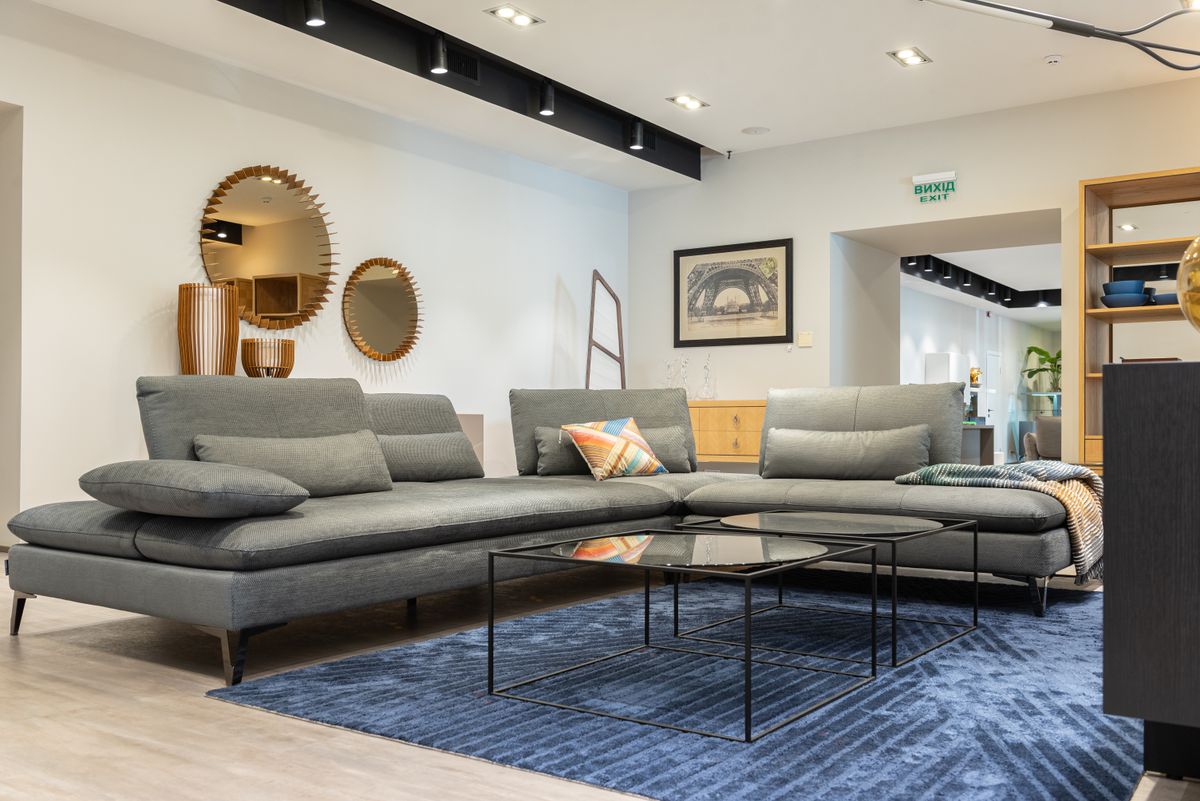
Assessing Build Quality and Materials
Build quality decides whether a sofa lasts two years or twenty, and it is the hardest thing to judge from a photo. Online furniture returns run far higher than in-store purchases, roughly 18 to 25 percent against 8.72 percent for shops you can walk into (FirstChair, 2025). A large share of those returns trace back to quality that looked fine on screen and disappointed in the living room.
Start with the frame. Solid hardwood or quality engineered timber holds screws and joints better than soft particleboard. On a sofa, a kiln-dried hardwood frame with corner blocks and dowelled joints outlasts one held together with staples and glue.
Then check the working parts. On a dining table, run your hand along the edge and under the top to feel for honest construction rather than a thin laminate skin. On upholstered pieces, heavier fabric weight and a tight weave resist pilling and sagging. Cushions with high-density foam keep their shape years longer than cheap filler.
If you cannot visit a showroom, ask for close photos of the joinery, the underside and the fabric label. A store confident in its build will send them without hesitation. Vague answers are an answer in themselves.
Understanding Delivery and Returns
Delivery and returns are where a good price can quietly turn bad. Retail returns in the United States reached roughly 890 billion US dollars in 2024, about 16.9 percent of total retail sales, and furniture sits among the most expensive categories to send back (FirstChair, 2025). A large item means freight both ways, so a weak return policy can cost you the price of the piece.
Read the delivery terms before you buy. Confirm whether the quote covers delivery to your unit and floor, or only to the lobby. Ask about the lead time, since custom upholstery and imported pieces can take weeks. Check that the crew will assemble and remove packaging.
Then read the returns policy twice. Look for the window in days, who pays return freight, any restocking fee, and whether custom or clearance items are final sale. A fair policy is specific. A policy that hides behind "subject to inspection" with no detail should make you cautious.
For a wider look at choosing well in the local market, see our smart buyer's guide to designer furniture in Malaysia. It covers how to weigh showrooms, lead times and after-sales support side by side.
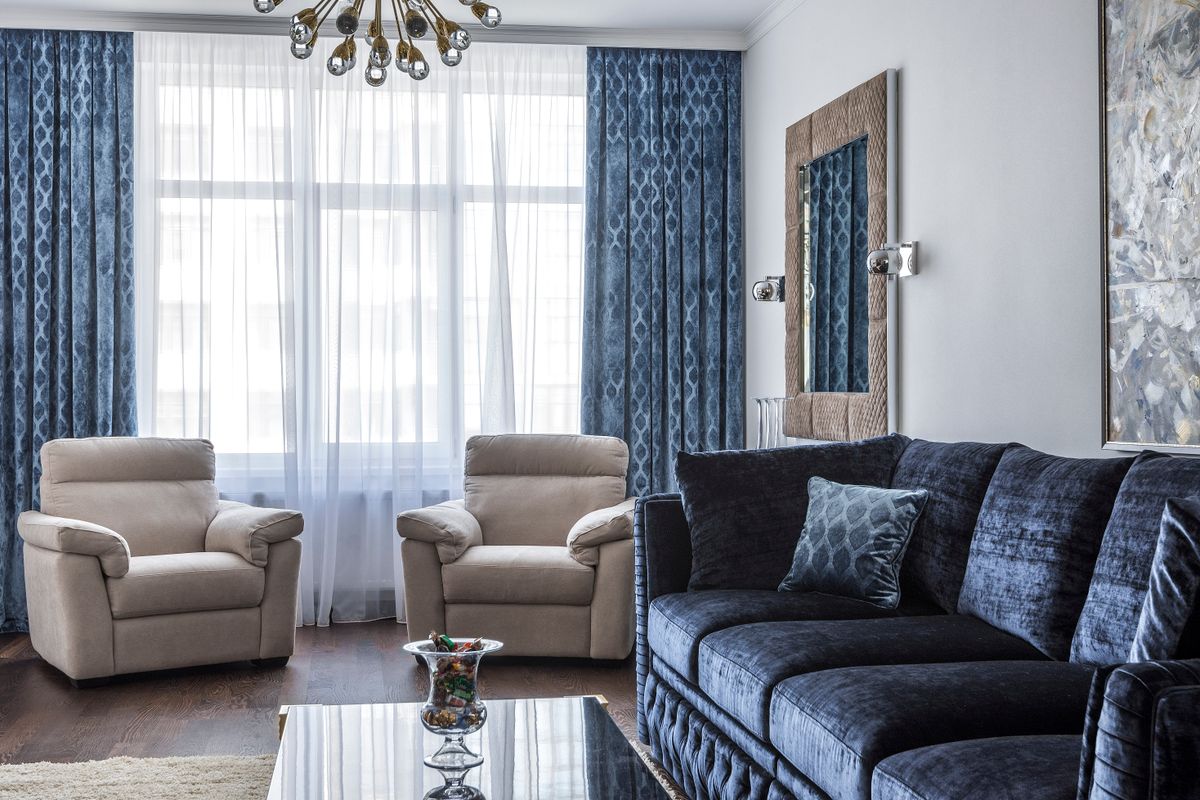
Spotting Genuine Designer Value
Genuine designer value shows in materials and construction, not in a label borrowed from a famous name. A real designer piece pairs a considered form with honest build: named timber, proper joinery, quality foam and a finish that holds up. A copy mimics the look and cuts the parts you cannot see.
Watch for a few tells. A genuine maker names the materials plainly and stands behind them with a warranty. A reseller of lookalikes tends to stay vague, leaning on words like "inspired by" or "designer style" without saying what the piece is actually made of.
Value is not the same as cheap. A well-built contemporary sofa may cost more than a flat-pack version, yet it serves daily for a decade while the cheaper one sags within two. Divide the price by the years you expect to use it. The better-made piece often wins that sum.
Ask who designed and built the item. When a store can point to its own designers and workshop, you are buying craft rather than a shipped-in lookalike. That transparency is one of the clearest signals of genuine value.
How Nicchris Stands Out
Nicchris is a Malaysian designer furniture brand making modern sofas, dining tables, chairs and contemporary interior pieces, designed and built with local craftsmanship. Malaysia exported RM9.9 billion in wood furniture in 2024, an increase of 8.4 percent on the year before (The Star, 2025). That depth of manufacturing skill is what a local designer brand draws on.
Buying from a local designer maker answers the four checks in this guide at once. The price is quoted honestly with delivery and assembly clear from the start. Build quality comes from a known workshop rather than an anonymous supplier. Delivery and after-sales support are handled by the people who made the piece.
On designer value, the signal is direct. Nicchris designs its own range and builds it, so the form and the frame come from the same hands. You are not paying a markup for a label applied to someone else's manufacturing.
When you shortlist furniture stores, put a local designer brand on the list beside the imports and the flat-pack chains. Compare them on the same four points, then visit a showroom to sit on the sofa and feel the timber before you decide. The piece you can inspect in person is the one least likely to surprise you after delivery.