Styling home decor with wooden furniture comes down to three decisions: which wood tones you lead with, how you mix species without clashing, and how you pair timber with metal, glass and fabric. Get those right and a room reads warm and intentional instead of busy. This guide walks through each decision, then covers care and a few Nicchris pieces worth building a room around.
Wood is having a long moment with designers, and the instinct behind it is simple: good timber furniture holds its value and survives decades. Recent designer surveys show vintage and antique sourcing at its strongest in years, and much of that character-rich inventory is solid wood. Styling around it is a safe long-term bet.
How Do You Choose Wood Tones for Your Palette?
Start with one lead tone on your largest piece, then build the room around it. Designer surveys point to a strong, growing preference for vintage and antique sourcing, much of it solid wood, which tells you how much designers trust character-rich timber as a palette anchor. Pick that anchor first, usually a dining table or a sofa frame, and let it set the temperature of the room.
Wood tones fall into three broad families. Warm tones like teak, walnut and cherry carry red or golden undertones. Cool tones like ash and some oaks lean grey. Neutral tones, such as pale maple, sit in between. A quick test: hold a piece next to a plain white sheet. The undertone that jumps out is the one you are working with.
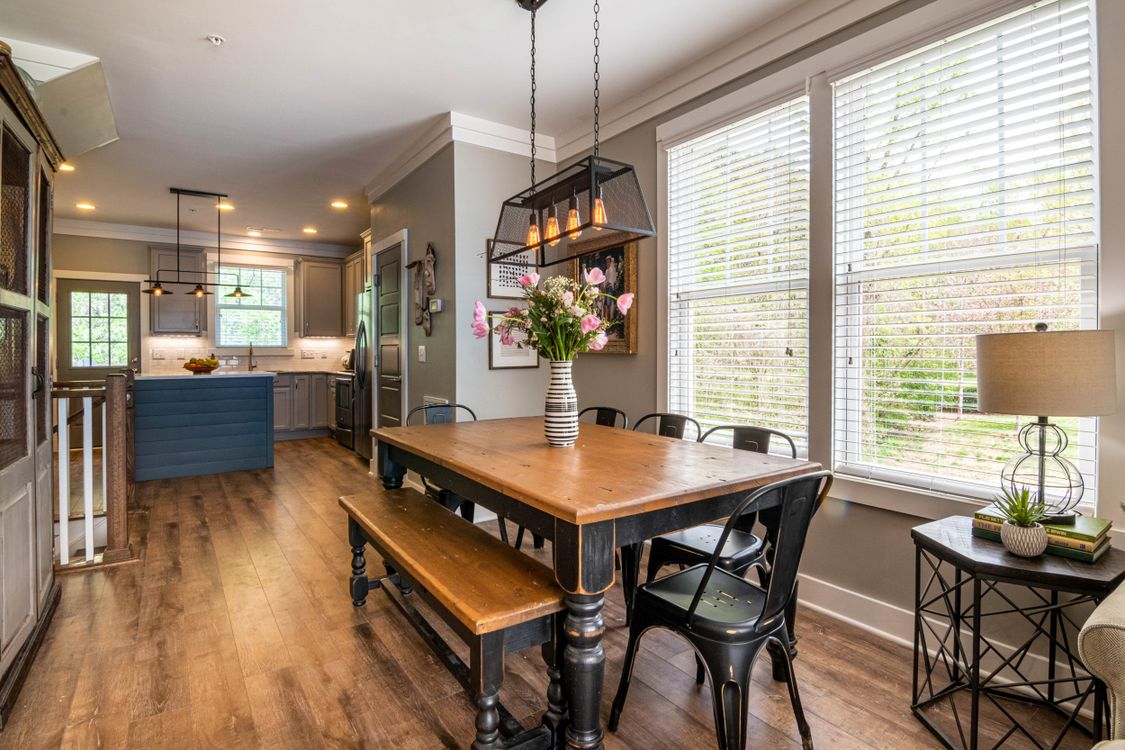
Once you know your lead tone, cap the room at two or three wood tones total. A warm walnut table, a mid oak sideboard and a pale timber shelf can share a space happily. Add a fourth tone and the eye starts to read the room as unplanned. If you love a darker look, our guide to home decor ideas with brown furniture goes deeper on building around chocolate and espresso timbers.
How Do You Mix Wood Species Without Clashing?
Match undertones first, then let one species dominate. The clash people fear almost always comes from mixing a warm red-brown piece with a cool grey-brown piece in equal amounts. Keep warm with warm and cool with cool, and most of the tension disappears. A teak chair next to a walnut table works because both lean warm.
After undertone, think about grain. A room full of strong, busy grain feels restless. Pick one species to carry the dominant grain, often the biggest piece, and choose quieter grain for the supporting pieces. That contrast gives the eye somewhere to rest.
Scale matters too. If two wood pieces sit side by side at the same height and bulk, they compete. Vary the proportions so one clearly leads. A low timber coffee table reads as a companion to a tall bookshelf, not a rival. Malaysian makers work with teak, oak, ash and rubberwood regularly, so you have room to mix within a single sourcing trip.
How Do You Pair Wood with Metal, Glass and Fabric?
Keep the wood as the anchor and treat the other materials as accents. Wood brings warmth that softens the hardness of metal and the coolness of glass, which is why the combination feels balanced rather than cold. A timber dining table on slim black metal legs, or a wood top over a glass-shelved base, lets each material do one job.
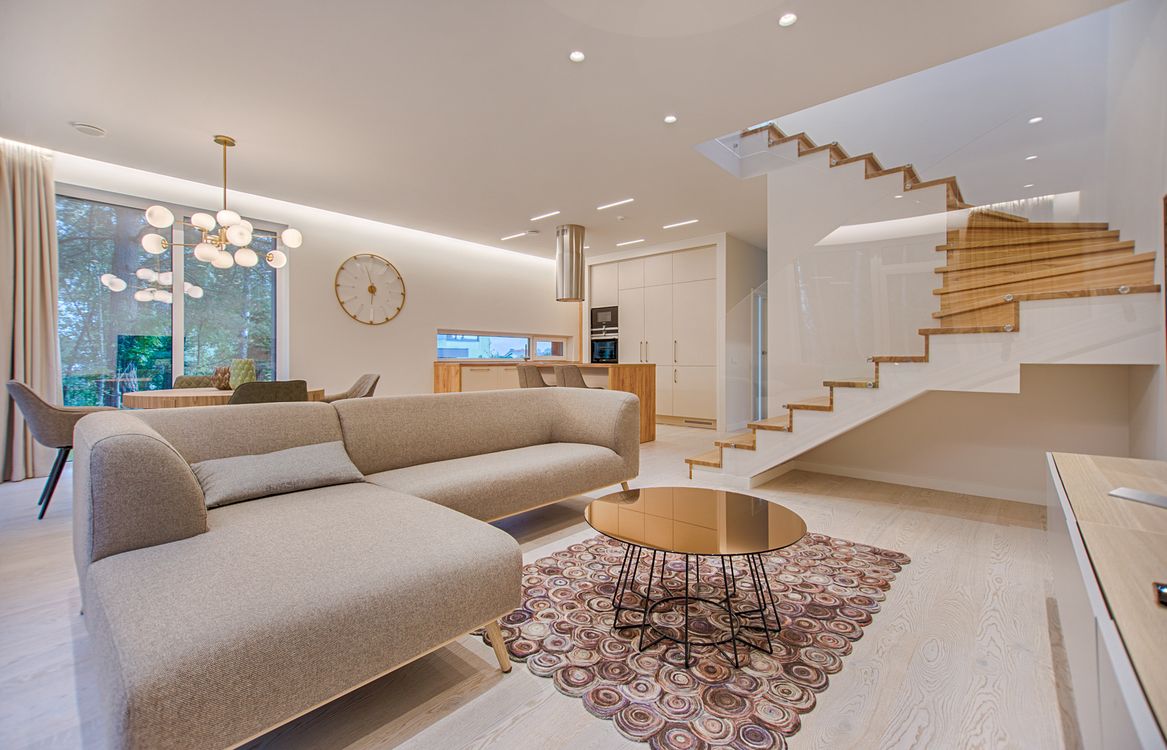
Metal works best in small doses: legs, handles, frames and lighting. Match the metal finish to the wood temperature. Brass and bronze flatter warm woods. Black and chrome suit cooler timbers. For glass, a clear top over a wood frame keeps a room feeling open in a smaller Malaysian apartment without hiding the grain beneath.
Fabric is where you add softness and colour. Linen, bouclé and cotton upholstery take the edge off a hard timber frame and give you a place to introduce your accent shade. A wood-framed sofa with a textured fabric seat is a classic pairing: the timber stays central while the fabric carries the colour.
How Do You Keep Home Decor Wooden Furniture Looking New?
Routine care does most of the work: dust often, wipe spills fast, and keep pieces away from direct sun and heat. Solid wood is forgiving if you respect it. Choosing timber also sits well with the wider move toward lower-impact materials. The built environment accounts for 37% of global energy and process-related emissions, according to a 2025 FAO and Bauhaus Earth report, which is part of why durable wood that lasts decades beats disposable furniture.
A few habits protect the finish over the long run:
- Dust weekly with a soft, dry microfibre cloth, following the grain.
- Wipe spills within minutes so liquid cannot soak into the finish.
- Use coasters and placemats under hot or wet items.
- Keep furniture out of direct sunlight, which fades and dries the surface.
- Re-oil or wax solid wood once or twice a year, depending on the finish.
Malaysia's humidity is the quiet factor many owners miss. Swings in moisture can make solid timber expand and contract, so steady indoor airflow and avoiding damp corners helps joints stay tight. Quality construction handles this better, which is one reason it pays to buy from a maker who understands the local climate.
Which Nicchris Wooden Furniture Picks Work Best?
Nicchris designs modern timber pieces for Malaysian homes, so the range gives you ready-made anchors for the palette rules above. Global demand for wood products is projected to keep climbing for decades, which makes a well-made timber piece a sound long-term choice rather than a passing trend.
Start with a dining table as your lead piece. A solid wood table sets the room's temperature and gives you a clear tone to build from. Our breakdown of dining table sizes, materials and styles helps you match proportions to your space before you commit.
From there, layer in supporting timber: a sideboard or TV cabinet in a complementary tone, timber-framed dining chairs, and a coffee table that echoes the grain without copying it. Keep to the two-or-three-tone rule and let one piece dominate. If you want to see the pieces in person, the Nicchris showroom is the fastest way to test tones against each other under real light.
A Practical Next Step
Pick your anchor before anything else. Choose one wooden piece, usually the dining table or the sofa frame, settle on its tone, and photograph it in your room's natural light. Use that photo as your reference while you source supporting pieces, and you will avoid the most common mistake of buying tones that fight once they are home. Bring the photo to the Nicchris showroom and match the rest of your timber against it in person.