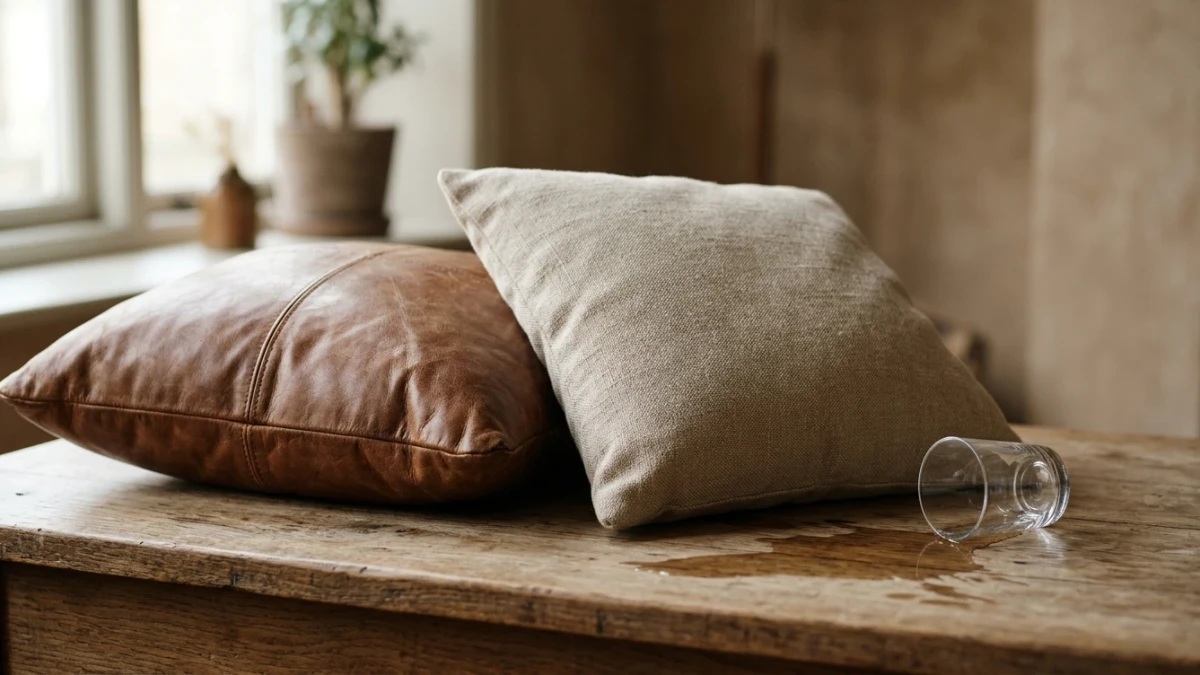
Choose leather if you want easy cleaning, humidity resistance and a sofa that ages well over many years. Choose fabric if you want softer seating, more colour and a lower starting price. The right answer for your home depends on your climate, your daily traffic and your budget, and this guide walks through each factor so a leather vs fabric sofa decision feels clear rather than confusing.
Most Malaysian living rooms sit somewhere in between: part air-conditioned, part open to warm, humid air. That mix changes how each material behaves. Below we compare comfort, durability in local conditions, cleaning, style and cost, then point you toward the pick that fits a family home.
Leather vs Fabric Sofa: How Do They Compare on Comfort?
Comfort comes down to feel, temperature and support. Fabric still leads on first impressions, which helps explain why fabric held a 59.33% share of the global upholstered furniture market in 2025 (Mordor Intelligence, 2025). Fabric feels soft and warm the moment you sit down.
Leather plays differently. It feels cooler on first contact, then warms to your body over a few minutes. In an air-conditioned room that cool touch is welcome. On a hot afternoon without aircon, bare skin can stick to leather, while fabric stays breathable throughout.
Support depends on the frame and foam inside, not the cover. A well-built leather sofa and a well-built fabric sofa can feel equally firm or plush. When you test seating in person, press into the cushion and check how quickly it recovers rather than judging by the surface alone.
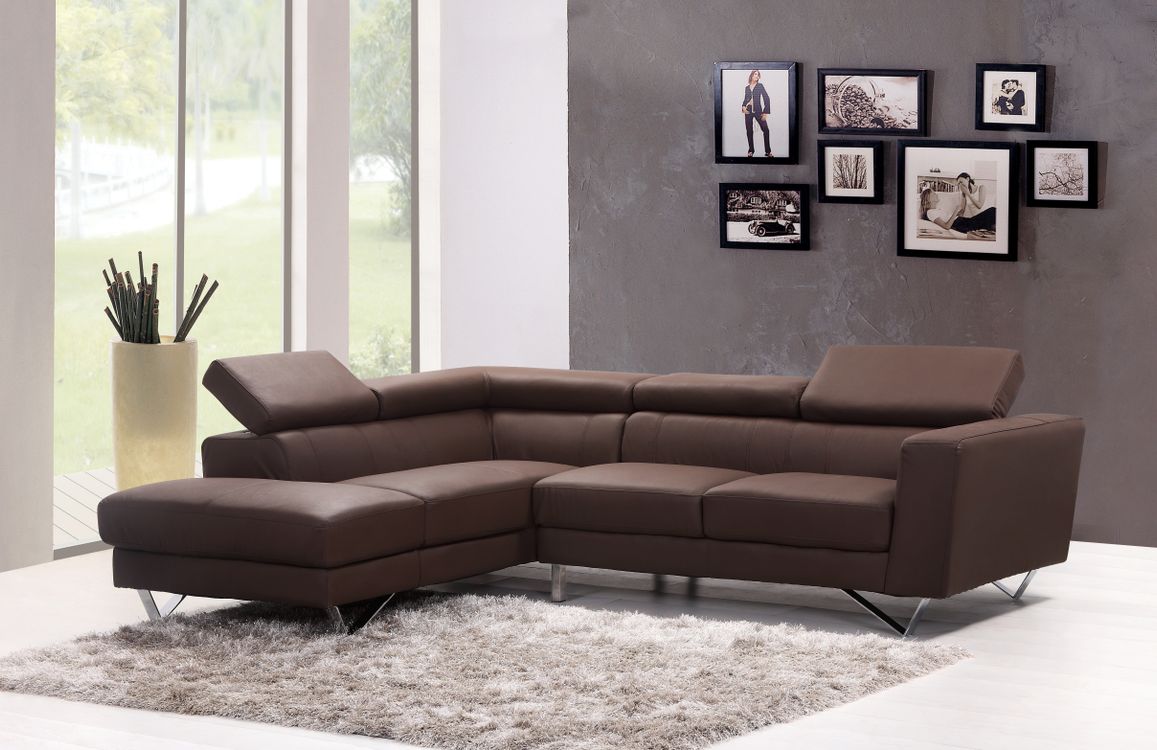
For the newest shapes and seating formats worth testing, see our guide to modern sofa design trends to watch.
Which Lasts Longer in Malaysia's Humid Climate?
Leather usually has the edge in a tropical climate because it does not absorb moisture the way woven fabric can. Malaysian indoor air often runs humid for much of the year, and sustained damp is where upholstery problems start. Fabric cushions can hold moisture deep inside, which encourages musty smells and, in poorly ventilated rooms, mould.
Leather sheds surface moisture and wipes dry easily, so it resists that hidden damp. It still needs airflow and occasional conditioning to stop it drying out under constant air-conditioning. Treated well, a quality leather sofa tends to age into a softer, richer surface rather than wearing out quickly.
Fabric is not ruled out. A dense synthetic weave, such as a tight polyester or performance blend, resists moisture far better than loose cotton or linen. If you love the look of fabric, choosing the weave carefully matters more here than almost anywhere else.
Our finding: Across humid Malaysian living rooms, the single biggest factor in how long any sofa lasts is airflow. A leather or tight-weave fabric sofa in a ventilated, occasionally air-conditioned room will comfortably outlast a loose natural-fibre sofa left in still, damp air.
Position either sofa away from direct afternoon sun, which fades fabric dye and dries leather. Good placement often matters as much as the material you pick.
How Much Cleaning and Maintenance Does Each Need?
Day to day, leather is the lower-effort choice. Spills sit on the surface, so a quick wipe with a soft cloth usually handles them. A few times a year you condition the leather to keep it supple and prevent cracking, especially in air-conditioned rooms that pull out moisture.
Fabric asks for a different routine. It hides marks well between cleans, which suits busy households, but it needs regular vacuuming to lift dust and crumbs from the weave. Set-in stains often need spot treatment or a professional deep clean, and drying time matters in humid weather so the padding does not stay damp.
Removable, washable covers tip the balance back toward fabric for many families. If a cover unzips and goes in the machine, cleaning up after children or pets becomes far simpler. Check whether covers are removable before you buy, since not every fabric sofa offers this.
Whichever you choose, matching maintenance to real family life is part of buying well, a point we cover in how to buy quality furniture pieces.
What About Style and Colour Options?
Fabric wins on sheer variety. It comes in a wide range of colours, patterns and textures, from pale linens to deep jewel tones, so it slots into almost any scheme. That flexibility is one reason fabric dominates sales and suits homeowners who like to restyle a room often.
Leather offers a narrower but timeless palette: tans, browns, greys, black and a few deeper shades. It reads as warm and classic, and it anchors a room with a sense of quality. Over time it develops a patina, a soft sheen and character that many people prize.
Think about the mood you want. A soft fabric sofa in a muted tone leans calm and Scandinavian. A leather sofa leans richer and more grounded. Both work in modern Malaysian interiors, and your choice of cushions, rug and timber tones will pull the whole look together regardless of material.
Cost and the Best Choice for Family Homes
Fabric usually costs less at purchase and gives you more colour for your money, which makes it the easy starting point for first sofas and tighter budgets. Leather carries a higher upfront price, but a well-made leather sofa often serves for many years, so the yearly cost can land closer than the sticker suggests.
For a busy family home, durability and easy cleaning tend to matter most. Leather handles spills, sticky hands and daily wear with a simple wipe, and it stands up to humidity well. If you prefer fabric, a tight performance weave with removable covers gives you much of the same resilience with softer seating and more colour.
A practical path: list your three non-negotiables, perhaps easy cleaning, a specific colour, and a firm budget, then let those decide. If easy care and longevity top the list, lean leather. If softness, colour and a lower entry price lead, choose a quality fabric and mind the weave.
Ready to compare both in person? Visit the Nicchris showroom to sit on leather and fabric options side by side and feel the difference before you commit.