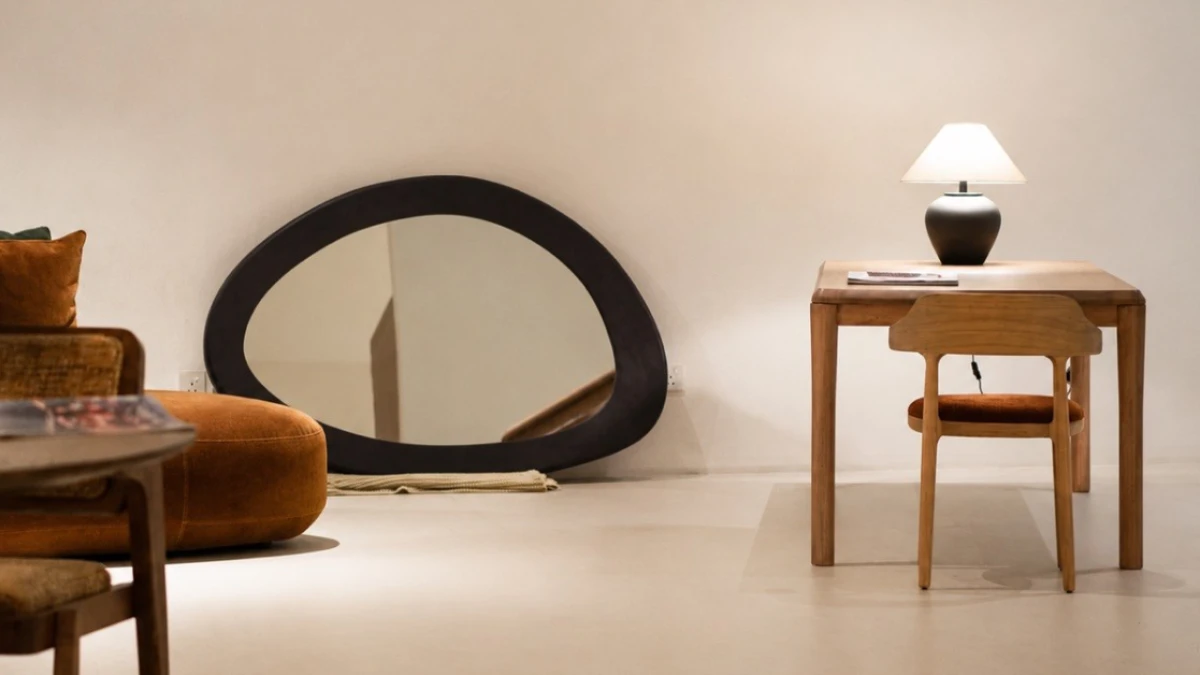
If you are comparing places to buy your home furniture and decor, the honest answer is that where a piece is designed matters as much as how it looks. Locally designed Malaysian furniture is built for our climate, reaches you faster, and comes with support you can actually reach when something needs fixing.
This guide is for buyers who are ready to choose, not just browse. It covers what actually separates designer pieces from mass-market ones, why local design carries a real advantage, the details that define Malaysian contemporary style, and how to read a maker's material sourcing before you commit.
What Makes Furniture "Designer" Versus Mass-Market?
Designer furniture is defined by intent. Every proportion, joint and material is a decision someone can explain, whereas mass-market pieces are engineered backward from a price target. The gap shows up in how a chair holds its shape after three years and how a sofa frame sounds when you sit down hard.
Mass-market furniture optimises for shipping flat and selling cheap. That means particleboard where solid timber belongs, staples where there should be joinery, and foam that flattens within a season. A designer piece starts from the opposite question: how should this feel to use for a decade?
You can spot the difference without any technical knowledge. Look underneath. Check whether the frame is solid, whether the seams line up, and whether the maker will tell you what is inside the cushions. If a company cannot answer those questions, the piece was probably designed by a spreadsheet.
Price alone proves nothing. Plenty of expensive furniture is mass-market with a markup, and some thoughtfully made local pieces cost less than an imported brand name. The real signal is whether the design serves the person using it or the logistics of the person shipping it.
Why Buy Locally Designed Pieces?
Buying locally designed furniture gives you three practical advantages: climate-appropriate build, faster delivery and reachable after-sales support. The Southeast Asia furniture market was valued at USD 24.6 billion in 2025 and is projected to reach USD 46.2 billion by 2034, a sign of how much local design capacity has matured (IMARC Group, 2025).
Climate is the argument buyers underestimate most. Malaysia's humidity warps timber that was seasoned for a dry European warehouse and encourages mould in the wrong upholstery foam. Furniture designed and built here is specified for those conditions from the start, so it stays flat, tight and dry.
Then there is the mundane reality of ownership. When a leg loosens or a cushion needs recovering, a local maker can send a part or a technician instead of pointing you to an overseas returns policy. Shorter supply lines also mean weeks of lead time instead of months, and far less risk of damage in transit.
Nicchris designs and produces its sofas, dining tables and chairs in Malaysia, which is exactly why those support and lead-time advantages apply to its pieces. For a buyer weighing local against imported, that proximity is the difference between a warranty on paper and one you can use.
Signature Details of Malaysian Contemporary Design
Malaysian contemporary design blends clean modern silhouettes with warm tropical materials and a strong bias toward compact, multifunctional pieces. Rising urban density has pushed local designers toward furniture that keeps small apartments feeling open, so you see slimmer arms, raised legs and honest wood grain rather than bulk.
The material palette is distinctive. Local designers lean on regional hardwoods and rattan alongside modern textiles, giving pieces a tactile warmth that pure Scandinavian minimalism can miss. The result reads as modern without feeling cold, which suits how Malaysian homes actually live: open-plan, sociable and full of light.
Proportion is the other signature. Because so many homes are apartments, good local design treats floor space as precious. Dining tables get thinner tops without losing strength, sofas sit on visible legs to open up the floor, and storage hides inside furniture rather than adding another cabinet. These are small decisions that make a room breathe.
How This Shows Up in a Room
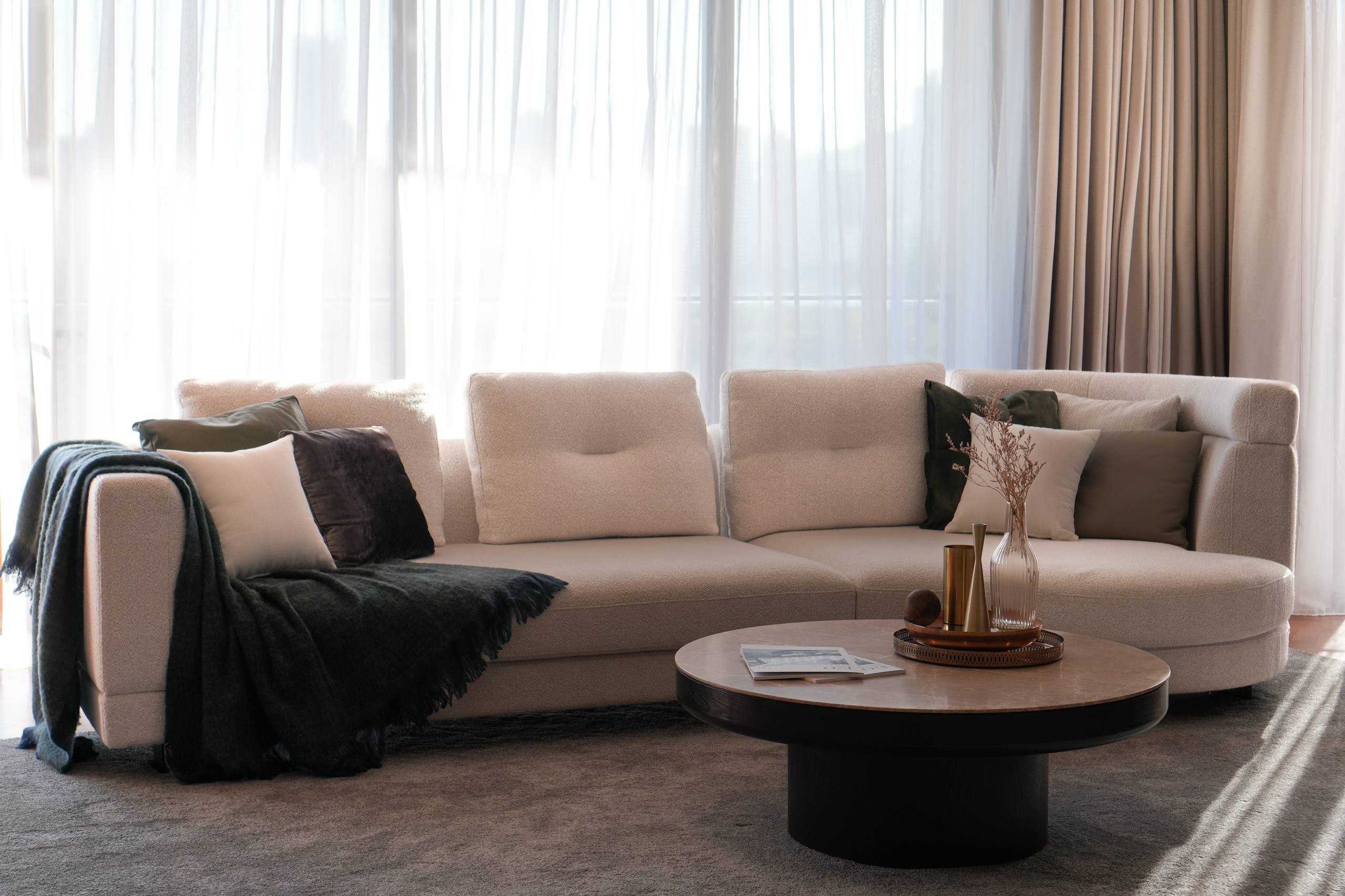
Put a locally designed sofa in a typical Malaysian living room and the space feels larger, not fuller. Raised legs show more floor, a restrained frame avoids visual weight, and natural materials tie the piece to the light coming through the windows. That is contemporary design doing a job, not just following a trend.
Sustainability and Material Sourcing
Material sourcing decides how long a piece lasts and what it costs the planet, and demand for responsible sourcing is now measurable. The global eco-friendly furniture market reached USD 43.6 billion in 2024 and is projected to hit USD 100.4 billion by 2034 (Market.us, 2024). Buyers are voting with their wallets for materials that age well.
Sustainable sourcing is not only an ethical position; it is a durability strategy. Responsibly harvested solid timber holds joints better than fast-grown filler board, and higher-grade upholstery survives Malaysian humidity for years. A piece that lasts a decade is cheaper per year and keeps furniture out of landfill.
When you are comparing makers, ask direct questions. Where does the timber come from, is it certified, and what is inside the cushions? Standards such as the Forest Stewardship Council's chain-of-custody certification exist precisely so buyers can verify responsible sourcing rather than take a slogan on faith (Forest Stewardship Council, retrieved 2026-09-27).
A maker that sources locally also shortens the distance material travels, which trims the carbon footprint before a single item ships. For your home furniture and decor, that combination of local sourcing and honest materials is the most reliable signal that a piece will still look good years from now.
Nicchris's Design Philosophy
Nicchris designs furniture around a simple belief: modern pieces should be built to live with for years, not seasons. That philosophy shows in how its sofas, dining tables and chairs pair contemporary silhouettes with materials chosen to survive the Malaysian climate and everyday family use.
The approach is quietly practical. Clean lines keep pieces feeling current without chasing fads, compact proportions respect the reality of apartment living, and local production keeps quality control and after-sales support close to home. Each choice answers a real problem a Malaysian buyer faces.
For someone ready to furnish a room properly, that is the point of choosing a local designer brand. You get modern design that fits how you actually live, made by people you can reach, using materials picked to last.
Choosing Your Home Furniture and Decor
Start with the anchors. Your sofa and dining table are the pieces you touch every day, so buy those at the best quality you can afford and let the rest of your home furniture and decor build up around them over time. Well-made anchors set the tone for the whole room and forgive cheaper accessories.
Before you buy, look underneath, ask about materials, and confirm the maker can support the piece after it arrives. If you want modern furniture designed and built for Malaysian homes, browse Nicchris's collection of sofas, dining tables and chairs, then measure your space and shortlist the one anchor piece you will use most.