
The simplest way to combine modern home decor and wood furniture design is to let one or two natural wood pieces anchor a room that is otherwise clean, neutral and uncluttered. Wood brings warmth and grain; modern decor brings restraint and clear lines. When you balance the two, a room feels calm without feeling cold, and lived-in without feeling busy.
That balance is also a smart buy. The global wood furniture market reached USD 288.0 billion in 2024 and is projected to grow to USD 426.9 billion by 2033 (IMARC Group, 2025), with Asia Pacific holding the largest share. Demand for natural materials keeps climbing year on year. This guide shows how to pair the two styles room by room, and where quality wood pieces earn their place.
Why Modern Home Decor And Wood Furniture Design Work Together
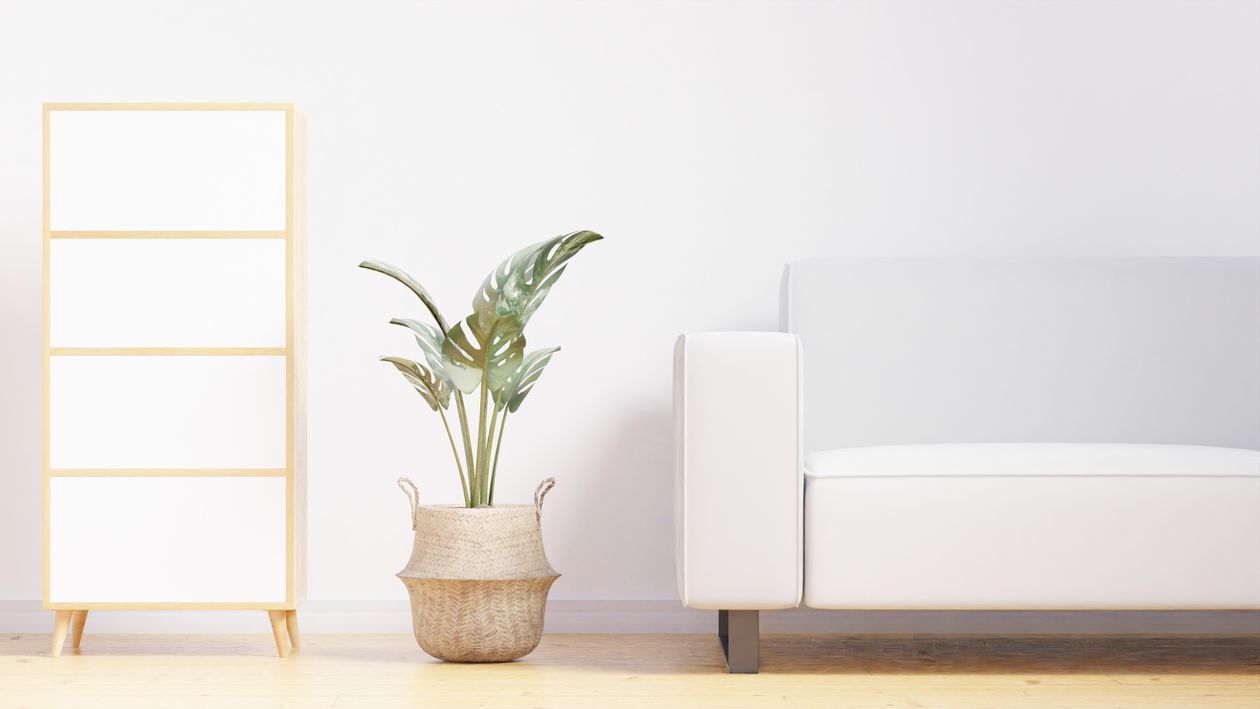
Blending modern decor with natural wood solves the biggest weakness of pure modern design: it can feel flat. Flat white walls, glass and metal read as showroom-cold. A single timber table or an oak shelf adds grain, shadow and a sense of age that manufactured surfaces cannot copy, and it does so without breaking the clean modern frame.
Wood also carries meaning that buyers increasingly care about. Consumers now pay an average premium of 9.7% for sustainable furniture, and certified or reclaimed wood made up a large share of sustainable furniture sales in 2025 (Mordor Intelligence, 2025). Choosing solid, responsibly sourced wood is both a design decision and a longevity decision.
The trick is contrast. Set warm timber against cooler, simpler materials so each one stands out. A walnut dining table looks richer beside pale plaster walls. An oak bench gains presence next to a matte black frame. Modern decor gives wood the quiet backdrop it needs to be seen.
What Is Warm Minimalism In Malaysian Interiors?
Warm minimalism keeps the discipline of minimalist design, few objects, clear surfaces, honest materials, and adds the warmth that natural wood and soft textiles provide. In Malaysian homes, where bright light and humidity are constants, it is a practical style as much as a visual one. Light timber finishes bounce daylight, while solid construction stands up to the climate.
For Malaysian spaces specifically, warm minimalism tends to mean a restrained palette with one or two timber anchors per room. Think a teak or oak dining set, a rattan-and-wood accent chair, or a low wood TV console, paired with white or sand-toned walls. The look stays airy, which suits compact condominium layouts and open-plan living alike.
If you are furnishing a modern Malaysian home from scratch, our guide to modern furniture for Malaysian living spaces walks through how to build this kind of calm, warm scheme piece by piece.
How Do You Balance Textures And Clean Lines?
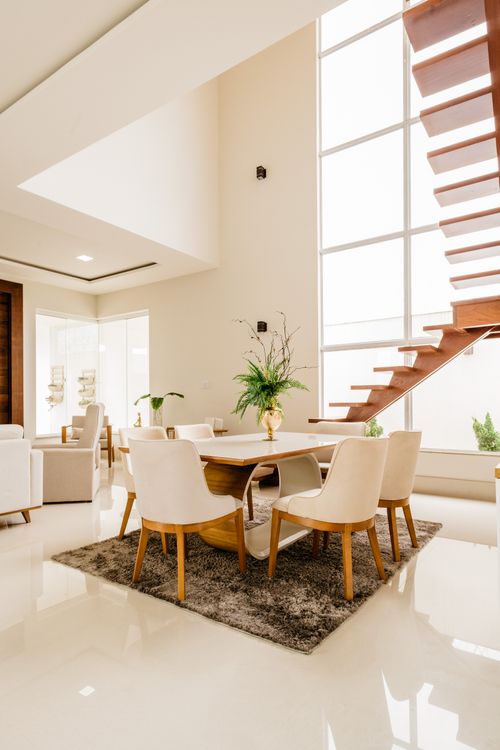
Balancing texture and clean lines comes down to pairing: a hard surface wants a soft one near it, and a busy grain wants a plain neighbour. A smooth lacquered wall reads better against a raw-edge oak table. A flat linen sofa gains depth beside a knotty timber side table. The clean lines give the eye somewhere to rest; the texture gives it something to notice.
A few rules keep the mix from tipping into clutter:
- Limit the wood tones. Two complementary tones per room is plenty. More than that and the space starts to look patchy.
- Vary warm and cool. Pair a warm honey oak with a cooler grey-brown walnut, or offset timber with stone, glass or matte metal.
- Keep lines simple where wood is bold. If the grain is the feature, let the shape be plain. A heavily figured tabletop does not need a carved base.
- Use negative space. Empty surface is part of the design. Leave room around a statement piece so it can breathe.
Matte finishes usually sit better in a modern scheme than high gloss, because they show the grain without adding glare. The goal is layering: enough contrast that each surface reads clearly, without so much variety that the room looks unplanned.
Which Statement Wood Pieces Suit Each Room?
Each room has one natural anchor, a single wood piece that sets the tone while everything else stays simple. Picking that one piece well matters more than filling a space with timber. A room reads as considered when it has a clear focal point and quiet support around it.
Living Room
The TV console or a solid coffee table is the usual anchor here. A low, long wood console grounds a wall of neutral seating and keeps sightlines clean. Keep the sofa plain and let the wood grain carry the character.
Dining Room
The dining table is almost always the statement piece. A solid timber top, generous and honest in its grain, pulls the whole room together. Surround it with simpler chairs so the table stays the hero rather than competing with a mismatched set.
Bedroom
A wood bed frame or a low headboard anchors the bedroom without crowding it. Paired with soft linen and pale walls, timber adds the warmth that makes a minimalist bedroom feel restful rather than stark.
Home Office
A clean-lined wood desk brings calm to a work corner. Natural timber softens the tech on top of it, and a single wood shelf above keeps storage from feeling like office furniture.
How Do Nicchris Wood-Led Collections Fit In?
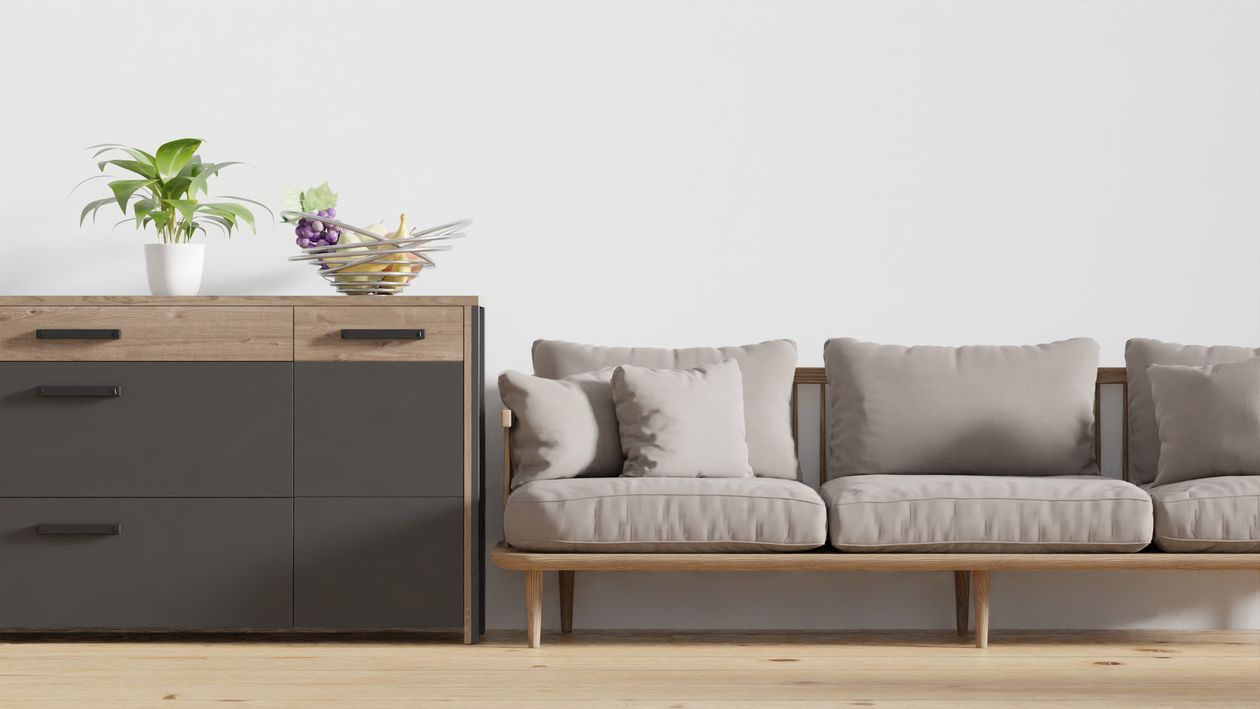
Nicchris builds wood-led collections around exactly this balance of warm material and clean modern form. The range covers the anchor pieces most rooms need, modern sofas, solid dining tables, chairs and contemporary storage, designed so a single wood piece can carry a room while the rest stays quiet. As a Malaysian brand, the pieces are made with the local climate and compact-home layouts in mind.
That local grounding matters. Malaysia sits among the world's leading furniture exporters, and wooden furniture makes up the bulk of that output, so the craft and material knowledge behind a well-made local piece run deep. Buying from a designer who understands both modern form and how timber behaves in a humid climate reduces the risk of warping, poor joinery or finishes that fade.
For a buyer comparing options, the practical next step is to see how the pieces sit together in person and to check construction up close. Inspect the joinery, feel the finish and look at how the wood tone reads under your own lighting before you commit.
Putting It Together
Start with one room and one anchor. Choose the single wood piece that room needs most, a dining table, a console or a bed frame, then build a simple, neutral scheme around it rather than the other way round. Get that balance right once and you will have a template you can repeat through the rest of the home. When you are ready to choose that anchor piece, measure your space, decide on a wood tone that suits your light, and shortlist a solid-wood option you can inspect in person before you buy.