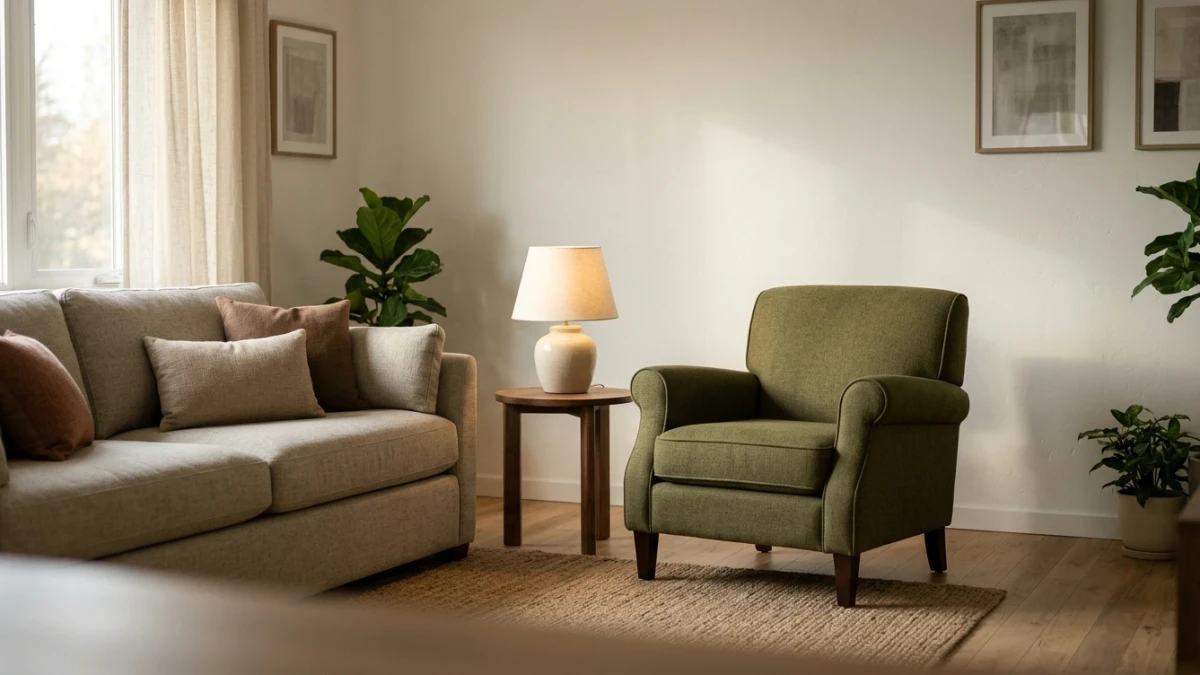
An accent chair is a single, standalone chair chosen for its looks as much as its comfort, and it is one of the quickest ways to give a living room personality. Drop one into an empty corner or beside your sofa, and the whole space reads as considered rather than catalogue. This guide explains what accent chairs are, where to put them, how to choose shapes, fabrics and colours, and how to pair them with the furniture you already own.
Unlike the sofa, which usually anchors a room, an accent chair is free to be bolder. It can carry a colour the rest of the room avoids, a curve the sofa lacks, or a texture that invites you to sit down. That freedom is exactly why a good accent chair punches above its size.
What an accent chair is and where to place it
An accent chair is a seat selected primarily for visual impact, often used to introduce a new colour, shape or material into a room. It differs from a dining chair or office chair in purpose: it exists to be noticed. Many accent chairs are armchairs with supportive sides, though armless and low-slung designs are just as common.
Placement decides whether the chair earns its keep. The eye looks for a resting point when it enters a room, so position the chair where that gaze lands. Reliable spots include:
- Beside the sofa, angled slightly inward to encourage conversation.
- In an empty corner that currently feels dead.
- Next to a window, facing the light, for reading.
- Flanking a fireplace or media unit as a matched or mismatched pair.
Leave walking room around the chair. A seat crammed against a wall or blocking a path stops being an accent and starts being an obstacle. If you are furnishing a smaller home, our guide to modern furniture and home decor for KL apartments covers how to place statement pieces without crowding a compact floor plan.
Statement shapes, fabrics and colours to consider
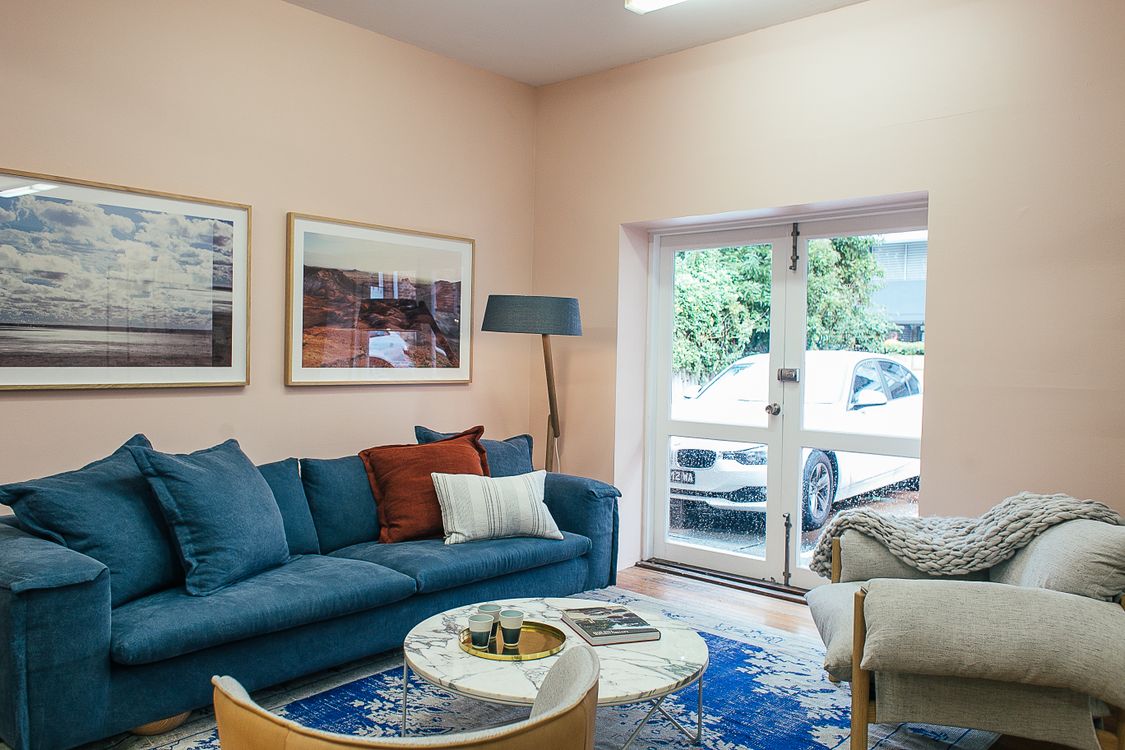
The best accent chairs make a clear choice in at least one of three areas: shape, fabric or colour. Pick one to lead and let the others support it, so the chair feels intentional rather than busy.
Shapes that read as a statement
Shape is the first thing you notice from across a room. Curved and rounded silhouettes are popular in recent living room design, offering a softer counterpoint to the straight lines of most sofas. Other options carry their own character:
- Barrel and tub chairs wrap you in a continuous curve.
- Wingback chairs add height and a traditional, sheltering feel.
- Low-slung lounge chairs sit close to the floor for a relaxed, modern look.
- Slipper chairs stay armless and compact, ideal for tight corners.
Fabrics you want to touch
Texture is what pulls a person from looking to sitting. Boucle, velvet and chenille all add tactile depth and catch the light differently across the day. A woven or leather seat brings a harder, more structured feel. If you are weighing soft upholstery against leather for a hard-working piece, the trade-offs in leather vs fabric sofa: which suits your home apply to accent chairs too, especially in a humid climate where breathability matters.
Colours that lift a room
Colour is the easiest way to make a chair pop. A single saturated tone against a neutral sofa and walls gives instant contrast. If bright feels risky, a deep green, rust or navy adds character while staying grounded. Tie the chair back to the room with a cushion, rug or artwork that echoes its tone, so the colour looks placed rather than stranded.
Balancing comfort with visual impact
A striking chair that nobody wants to sit in is decoration, not furniture. The aim is a seat that looks good and still welcomes a long afternoon. Comfort has become a firm priority in recent living room design, with deeper seats and plushier upholstery featured prominently in 2026 trend forecasts from Homes & Gardens.
When you test a chair, check three things:
- Seat depth: shallow seats suit upright sitting, deeper seats suit lounging.
- Back height and support: taller backs cradle your head and shoulders.
- Cushion firmness: soft enough to relax into, firm enough to rise from easily.
A sculptural frame can still be comfortable if the cushioning is right. Where a design leans hard into looks, make sure the proportions match your body and the way you actually use the room.
Pairing accent chairs with sofas and side tables
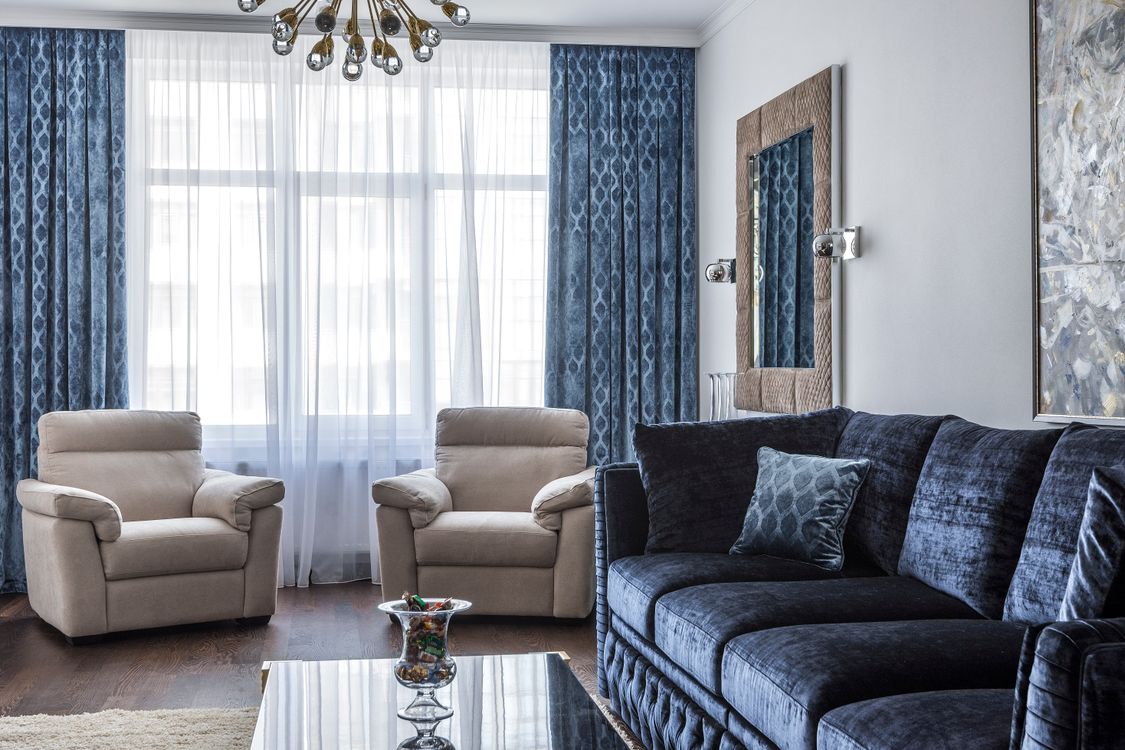
An accent chair works hardest when it talks to the pieces around it. The sofa sets the baseline, and the chair answers with contrast. If your sofa is a quiet grey, a textured or coloured chair gives the eye somewhere to go. If your sofa is already bold, pick a chair that contrasts in shape while staying calmer in tone.
Avoid matching everything. The habit of buying furniture as one uniform set has faded, and designers now favour rooms built from pieces with individual character. A chair that differs from the sofa in material or silhouette makes the whole arrangement look collected over time.
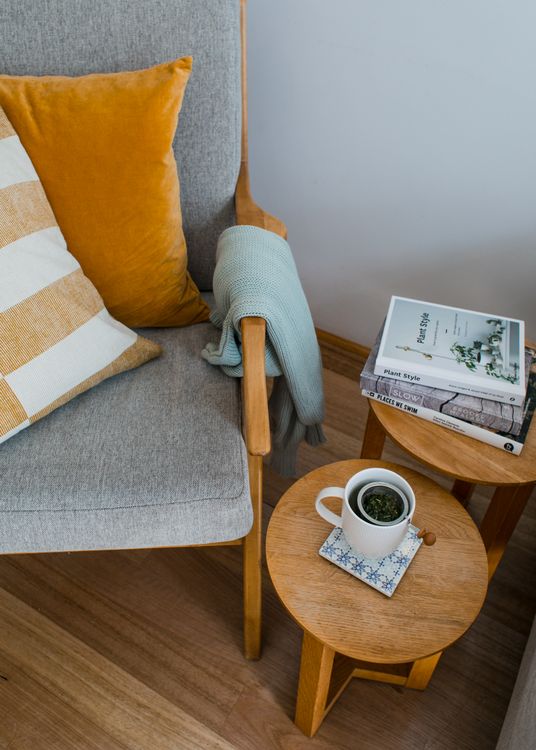
A side table turns a lone chair into a proper spot. It gives you somewhere to rest a drink, a book or a lamp, and it visually links the chair to the rest of the seating. Keep the table height close to the chair's armrest so it feels natural to reach. The same proportion and material rules you would use for a coffee table carry straight over to a side table.
Reading rooms, corners and layering with your layout
A single accent chair is often all it takes to carve a reading spot out of an existing room. Set the chair near a window or a floor lamp, add a side table for your book and cup, and the corner becomes a destination. A soft throw and a cushion complete it and reinforce the tactile layering that makes a seat feel lived in.
Corners are the most common wasted space in a home. An angled chair fills that gap, softens a hard right angle, and draws the eye toward an underused part of the room. In open-plan spaces, a chair can also signal the edge of the living zone, quietly separating it from the dining or walkway areas without a wall.
Layering is what stops a room feeling flat. Vary the heights, textures and tones across your seating so the accent chair sits within a composition rather than standing alone. As a Malaysian designer furniture brand, Nicchris builds accent chairs and armchairs intended to hold their own next to a sofa while adding the shape or colour a room has been missing. The chair should feel like it belongs to the room's story, not like it wandered in from a showroom.
The simplest next step is to look at your living room with fresh eyes and find the one spot that feels empty or flat. Measure that space, decide whether you want shape, fabric or colour to lead, and choose a single chair that commits to it. One deliberate piece will do more for the room than a cautious one ever could.