Designer furniture is set apart by the thinking behind it: the proportions are worked out, the materials are chosen for how they behave over years rather than how they photograph, and the construction is built to survive daily use. A mass-market piece is designed backwards from a price tag, which is why two sofas that look alike in a photo can feel completely different once you sit on them and live with them.
This article explains what genuinely separates designer furniture from the generic stuff, why bespoke made-to-order woodwork earns its place in a home, and how to tell real quality from clever styling before you spend.
Designer versus mass-market furniture
The honest difference comes down to decisions. Every piece of furniture is a stack of choices about dimensions, materials, joinery and finish. In mass-market production, those choices are made to hit a shelf price and to pack flat for shipping. In designer furniture, they are made to serve the person using the piece.
Take a dining chair. A mass-produced version might use a seat that is a few centimetres too shallow, a backrest angle that looks fine but tires your back after twenty minutes, and legs attached with staples and glue. None of that shows in a listing photo. A well-designed chair starts from how a body actually sits: seat depth, back support, the height relationship to the table, and joints that carry weight through the frame rather than through fasteners alone.
The global market reflects this appetite for considered, made-to-order pieces. The customized furniture market was valued at USD 39.55 billion in 2025 and is projected to reach USD 110.12 billion by 2034, according to Straits Research. Demand for furniture that fits a specific life, rather than a generic average, keeps growing.
Designer furniture also tends to be made by people who both design and build it. When the same workshop handles both, a flaw in the drawing gets corrected at the bench, and the construction reflects what the maker knows will hold up. That feedback loop is largely absent when a brand simply orders a container of finished goods to a spec sheet.
The value of bespoke, made-to-order woodwork
Bespoke furniture means the piece is built for your room, your use and your preferences rather than pulled from standard stock. With woodwork specifically, that flexibility matters more than people expect.
Rooms are rarely the tidy dimensions that catalogue sizes assume. A dining table that is 1.8 metres long might crowd a Klang Valley condominium dining area, while a 1.6 metre version leaves comfortable walking space on both sides. Made-to-order lets you set the length, width and height to the centimetre, so the table suits the room instead of forcing the room to accommodate the table.
Material choice is the other half of the value. Teak, oak and walnut each behave and age differently. Teak carries natural oils that help it cope with humidity, which is useful in the Malaysian climate. Oak offers a pale, open grain that suits brighter Scandinavian-leaning interiors. Walnut brings a darker, richer tone for rooms that want more depth. With bespoke work you choose the species, the grain direction, the finish and the joinery to match both the look you want and how the piece will be used.
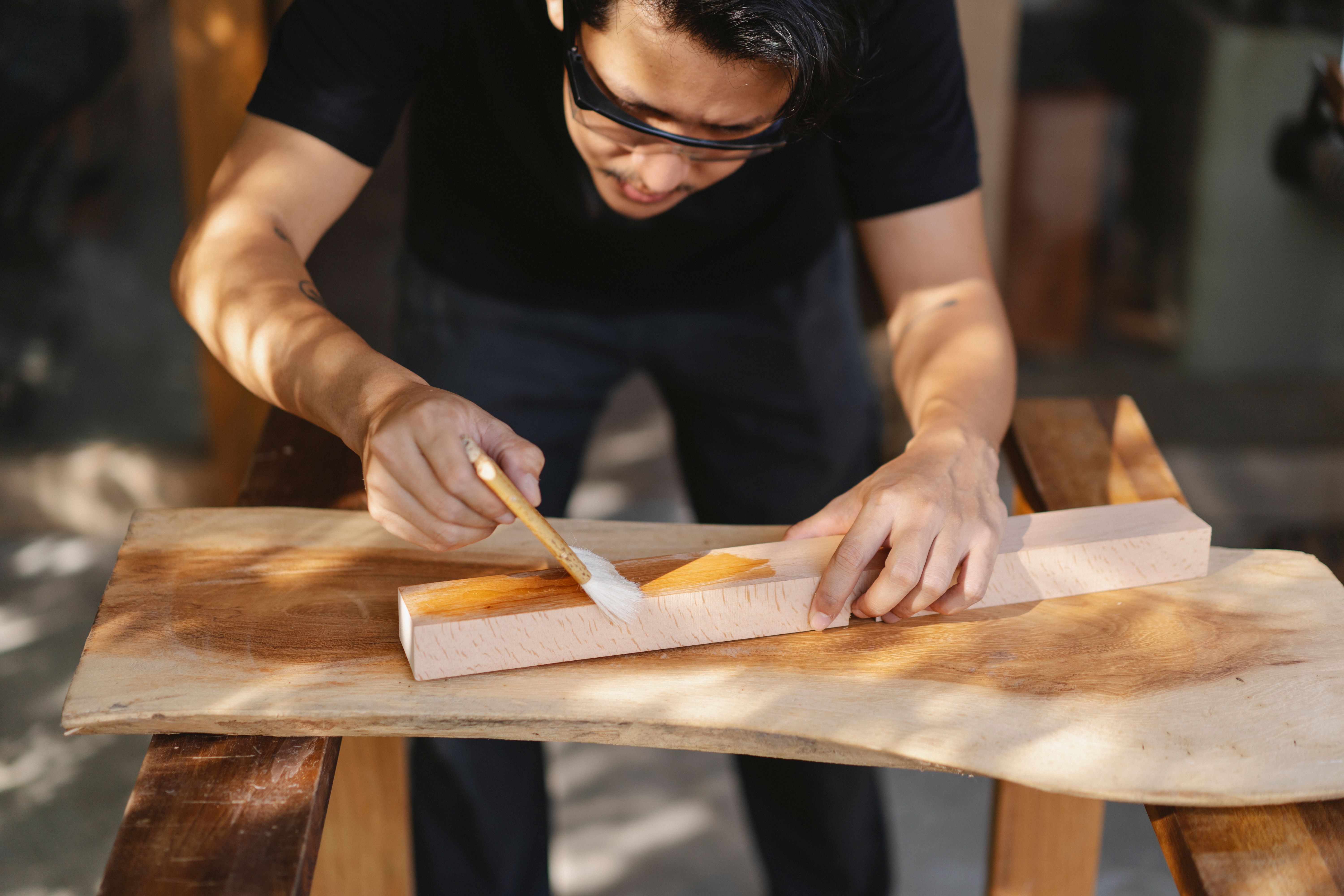
High-quality wood veneer belongs in this conversation too, and it is not a lesser option by default. Veneer bonds a thin layer of real timber over a stable core, which can actually resist warping better than a wide solid-wood panel in a humid environment. For large surfaces such as cabinet doors or wide tabletops, a well-made veneer can be the more sensible engineering choice, while solid wood earns its place in frames, legs and edges that take stress. A good maker uses each where it performs best rather than treating one as superior across the board.
The appetite for this kind of made-to-order work shows in the numbers. Nicchris designs and manufactures in-house in Sungai Buloh, which is what makes genuine customisation in dimensions, materials, upholstery and finishes possible rather than a marketing promise. If you want to see how that process runs from drawing to finished piece, the guide on custom-made furniture from design to craftsmanship walks through it.
How design-led craft improves everyday living
Good furniture design is felt more than it is noticed. You do not consciously admire a seat depth or a drawer that glides shut, but you feel the difference every day between furniture that works and furniture that quietly annoys you.
Consider proportion. A sofa that is too deep forces shorter users to either perch on the edge or lose their lower-back support. A sofa scaled to its occupants lets people sit back properly with feet still on the floor. The same logic applies to coffee table height relative to the sofa seat, to the gap between a kitchen island and its stools, and to the clearance around a bed. These relationships are the invisible work that design-led craft gets right.
Functionality compounds over the years you own a piece. Drawers built with proper runners and reinforced corners keep opening smoothly long after stapled boxes have started to sag. A tabletop finished to resist spills and handle Malaysian humidity stays presentable instead of lifting at the edges. Durability is not a luxury extra; it is the difference between replacing furniture every few years and keeping it for a decade or more.
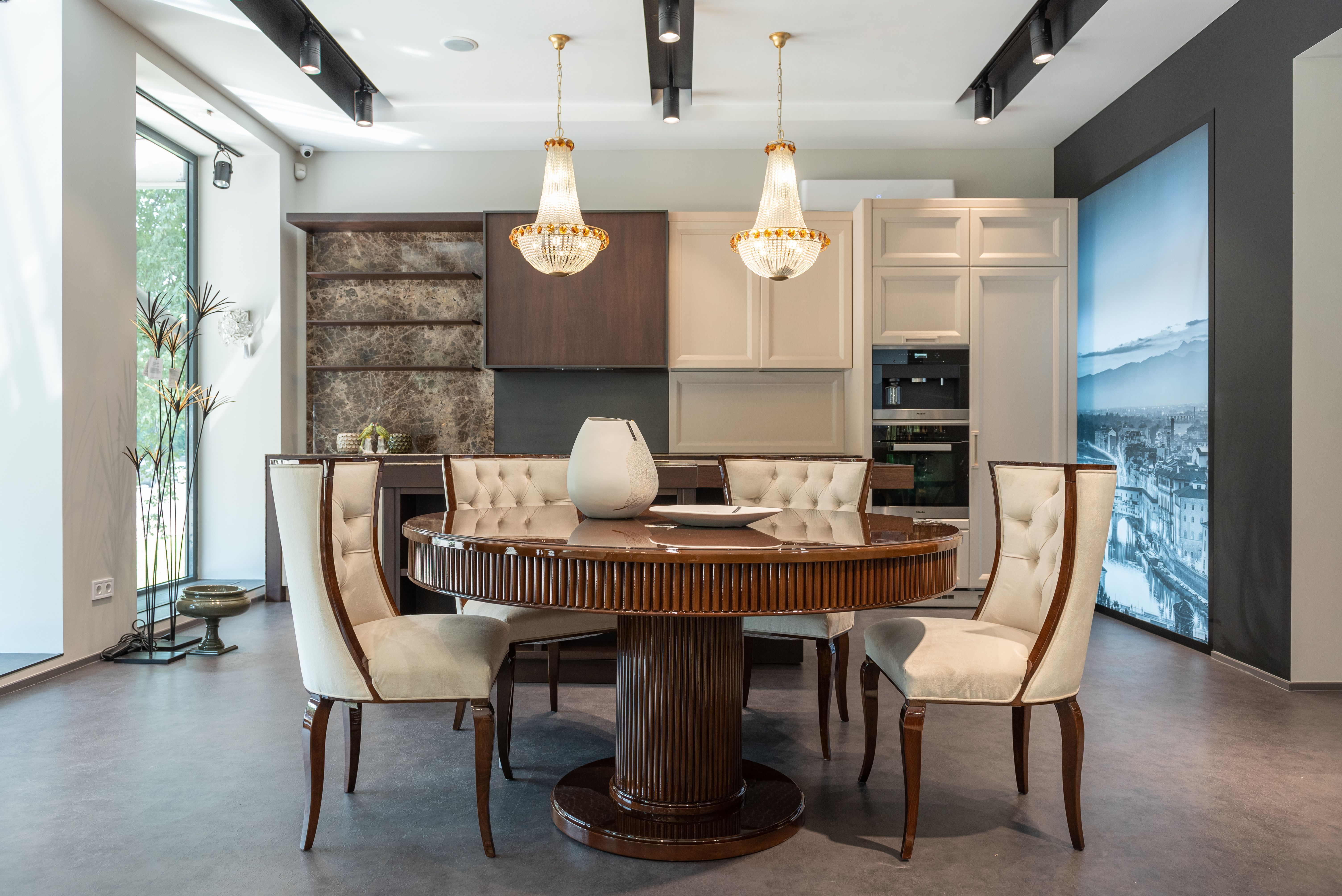
There is also the matter of how a home feels as a whole. When pieces are chosen and scaled to work together, a room reads as calm and intentional. When furniture is bought piecemeal to fill gaps, the space tends to feel busy and slightly off, even if nobody can name why. Building a cohesive look is less about matching everything and more about getting scale and material right across the rooms you use most.
Spotting genuine quality and materials
You do not need to be a cabinetmaker to judge quality. A few checks separate a well-built piece from one dressed up for the showroom.
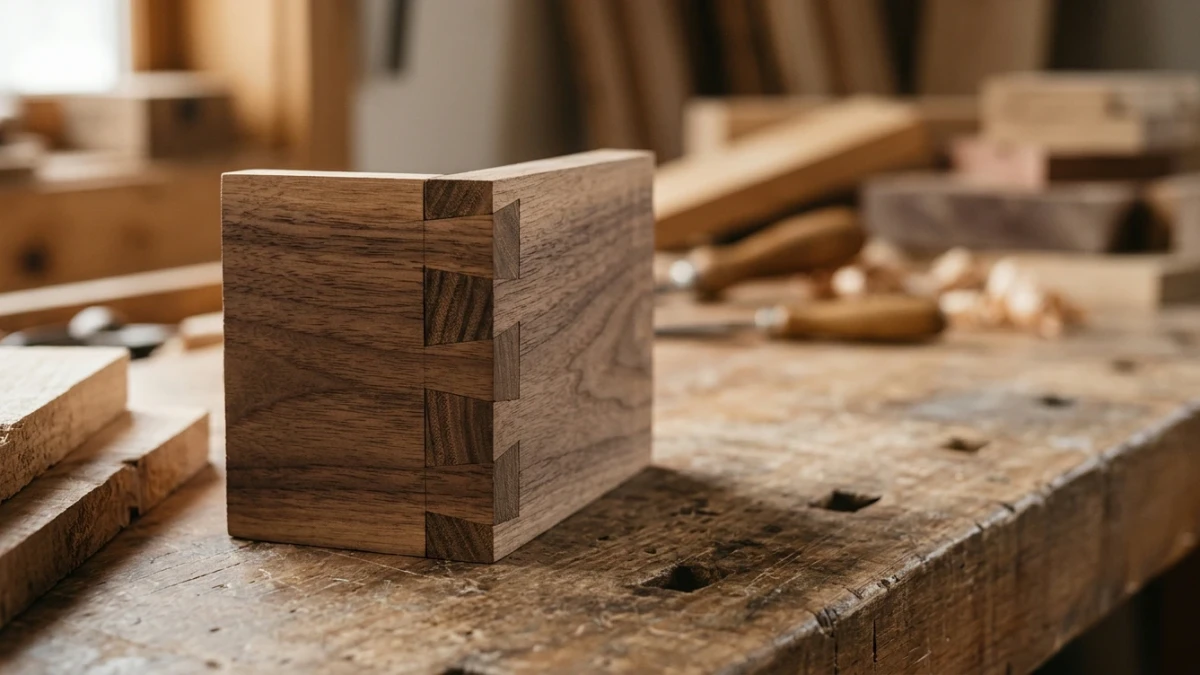
Look at the joinery. Turn a chair over or open a cabinet. Good joints are tight, often reinforced with corner blocks or traditional joinery, and they do not rely on staples alone. Visible gaps, wobble or an over-reliance on glue are warning signs.
Check drawer construction. Pull a drawer all the way out. Quality drawers have solid sides, a properly fitted base and smooth runners. Thin stapled boxes that flex when you squeeze them will not last.
Read the wood honestly. Ask what the timber is and where solid wood and veneer are each used. A maker who answers clearly, and explains why a veneer was chosen for a wide panel or solid wood for the legs, is telling you they understand the material. Vague answers usually mean there is something to hide.
Feel the finish. Run your hand across the surface and along the edges. A good finish is even, smooth and consistent, with no rough patches, drips or thin spots where the grain shows through unevenly.
Confirm the dimensions suit your space. Even a beautifully made piece fails if it does not fit. Measure your room and your doorways before committing, especially in apartments where delivery access is tight.
For wood pieces in particular, longevity depends partly on care, and Malaysia's climate adds a layer most buying guides ignore. Even excellent furniture benefits from the right maintenance in a humid environment, so ask the maker how a given finish should be cleaned and how often it may need attention.
Why Klang Valley buyers choose designer pieces
Buyers in Sungai Buloh, Selangor and the wider Klang Valley have specific reasons to look beyond mass-market furniture, and they are practical rather than purely aesthetic.
Space is the first. Condominium and apartment living across the Klang Valley means dining areas, living rooms and bedrooms that rarely match standard furniture dimensions. Made-to-order woodwork solves the awkward corner, the narrow lift lobby and the room that is a touch too small for a catalogue size.
Climate is the second. Consistent humidity is hard on furniture that was not built for it. Timber that is poorly seasoned, or construction that leaves no room for natural wood movement, tends to warp, crack or loosen at the joints over time. Furniture made locally by a maker who understands the environment is built with that reality in mind, which is a genuine advantage over generic imports produced for drier markets.
The third reason is proximity and accountability. Buying from a brand that designs and manufactures nearby means you can discuss a piece before it is built, see the workshop behind the product, and raise any issue with the people who actually made it. That access is simply not available with a shipped-in product from an anonymous factory. Local demand for this kind of relationship sits inside a market that keeps expanding: the global bespoke furniture market was valued at USD 18.95 billion in 2025, per TechSci Research, and continues to grow steadily.
For many Klang Valley homeowners, designer furniture is the sensible middle ground: better made and better fitted than mass-market stock, without the inflated pricing that comes with imported luxury labels.
Choosing well
The clearest next step is to measure your actual space before you shop, write down the dimensions and doorway clearances, and then judge any piece against those numbers rather than against a showroom photo. That single habit rules out most expensive mistakes.
When you are ready to see how design-led, made-to-order woodwork translates into real pieces, explore the Nicchris collections online or arrange to visit the Sungai Buloh showroom by appointment to see the construction and materials for yourself.