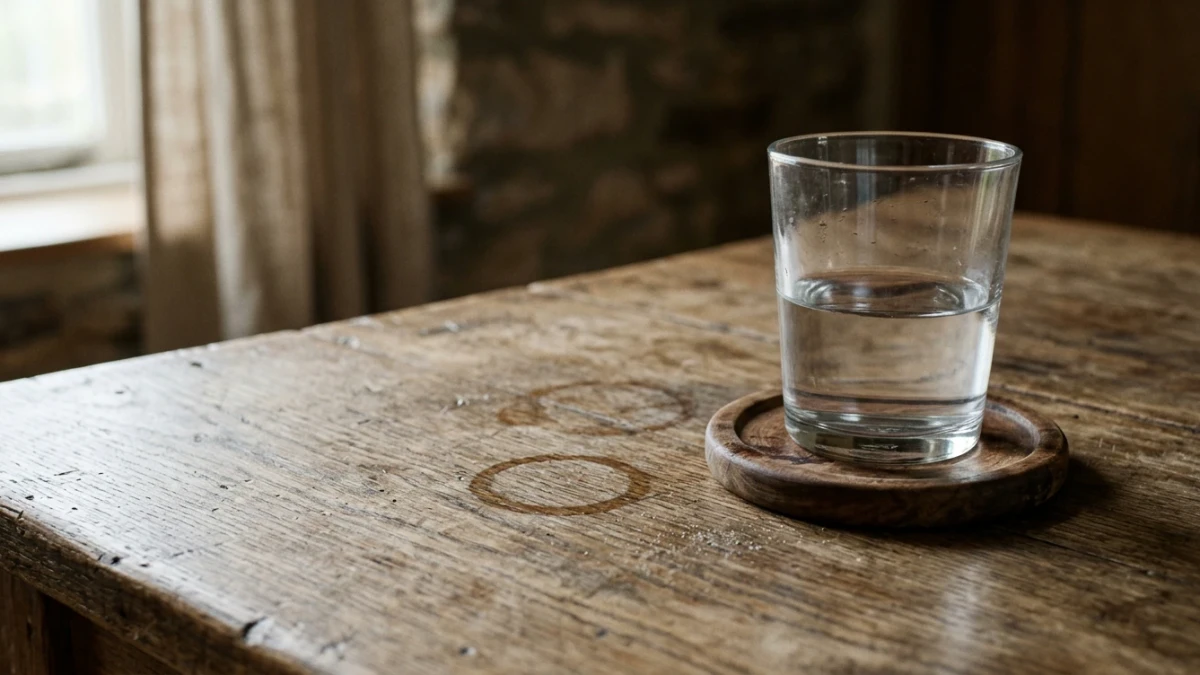
Good wood furniture care in Malaysia comes down to one thing: controlling moisture. Our air sits far wetter than wood likes, so your main job is keeping humidity in check, cleaning gently and topping up the finish before it wears thin. Do that and a solid timber table or sideboard will outlast most of the other things in your home.
The challenge is specific to where we live. Malaysia's average monthly relative humidity runs around 80 to 88%, and daily peaks can pass 94% (Malaysian Meteorological Department, retrieved 2026). Wood, meanwhile, is happiest at roughly 40 to 60%. That gap is the whole story, and once you understand it, everything else about caring for timber pieces makes sense.
Why Wood Furniture Care Starts With Humidity and Heat
Wood never stops breathing. It absorbs moisture from humid air and releases it when the air dries, swelling and shrinking a little each time. In Malaysia, where monthly humidity averages 80 to 88% (Malaysian Meteorological Department, retrieved 2026), timber tends to sit at the wet, swollen end of that cycle for most of the year.
Heat makes it worse by speeding the exchange up. A table near a sunny window or above a warm appliance dries on one face while the underside stays damp. That uneven movement is what pulls joints apart and lifts veneers.
This is why a dining set that was perfect in the showroom can feel different a few months after it reaches a humid apartment. The wood has simply adjusted to its new surroundings. Quality pieces are kiln-dried and built to allow for some movement, which is part of what you pay for when you buy from a maker who understands the local climate.
How Do You Prevent Warping, Cracking and Mould?
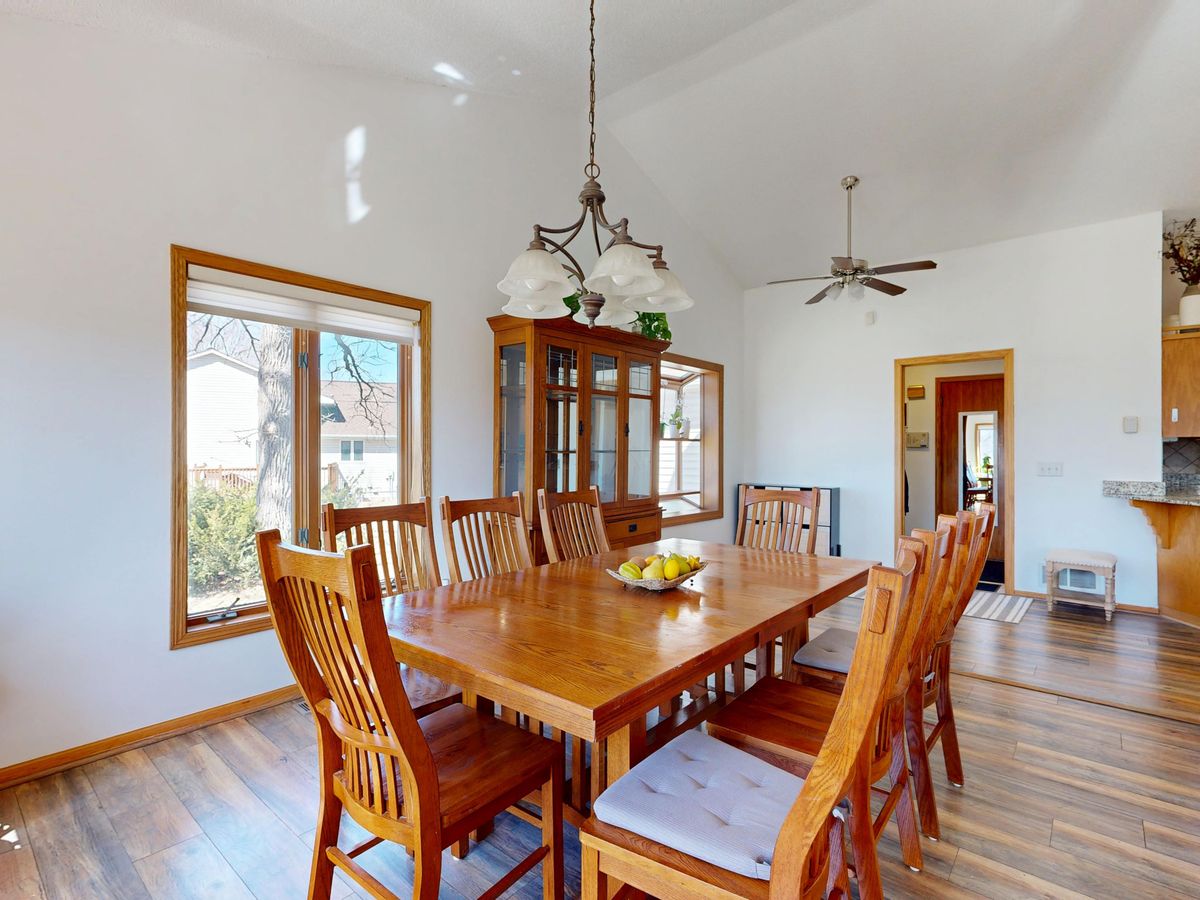
Stability matters more than any single number. Conservators recommend keeping wood between roughly 40 and 60% relative humidity, and below 65% to stop mould taking hold (Museums Galleries Scotland, retrieved 2026). In Malaysian homes, your air conditioner and a small dehumidifier are the tools that close the gap.
Warping and cracking come from swings, not just high readings. When wood soaks up moisture fast and then dries fast, the surface and core move at different rates and the stress has to go somewhere. A steady room does more good than an occasional blast of cold, dry air.
Mould is the other tropical hazard. It needs still, damp air and a food source, and the underside of a sideboard pressed against a wall offers both. A few habits keep it away:
- Leave a finger's gap between large pieces and the wall so air can move.
- Run the air conditioner or a dehumidifier during long wet spells.
- Wipe up spills and condensation rings quickly, before moisture sinks in.
- Check the backs and undersides of pieces now and then for early spots.
A cheap hygrometer takes the guesswork out of it. If the needle creeps past 65%, that is your cue to dry the room out.
What Is the Right Way to Clean Wood Furniture?
Gentle and dry wins. Most timber pieces only need a weekly dusting with a soft, dry microfibre cloth, plus an occasional wipe with a barely damp one. Harsh sprays do more harm than grime, since many leave a film that dulls the finish and attracts more dust.
Skip the all-purpose kitchen cleaners. Products heavy in ammonia or silicone can cloud a finish and build up over time, which makes future re-oiling patchy. Water is the bigger enemy, though: a soaking cloth pushes moisture into the grain, exactly what you are trying to avoid in a humid climate.
A simple routine covers almost everything:
- Dust weekly with a dry microfibre cloth, following the grain.
- For sticky marks, wipe with a cloth wrung out in plain water, then dry immediately.
- For oiled wood, use a dedicated furniture oil or wax a couple of times a year.
- Keep cloths clean, since trapped grit scratches softer timbers.
Match the product to the finish. An oiled table wants oil, a lacquered one wants only a light buff, and a waxed piece wants wax. If you are unsure what finish you have, the maker can usually tell you. Nicchris, for instance, notes the finish on its solid wood pieces so owners know exactly how to maintain them. The same care thinking applies across materials, which is something we cover in our guide to styling with wooden furniture.
How Do You Protect Surfaces From Water Rings and Sun Fading?
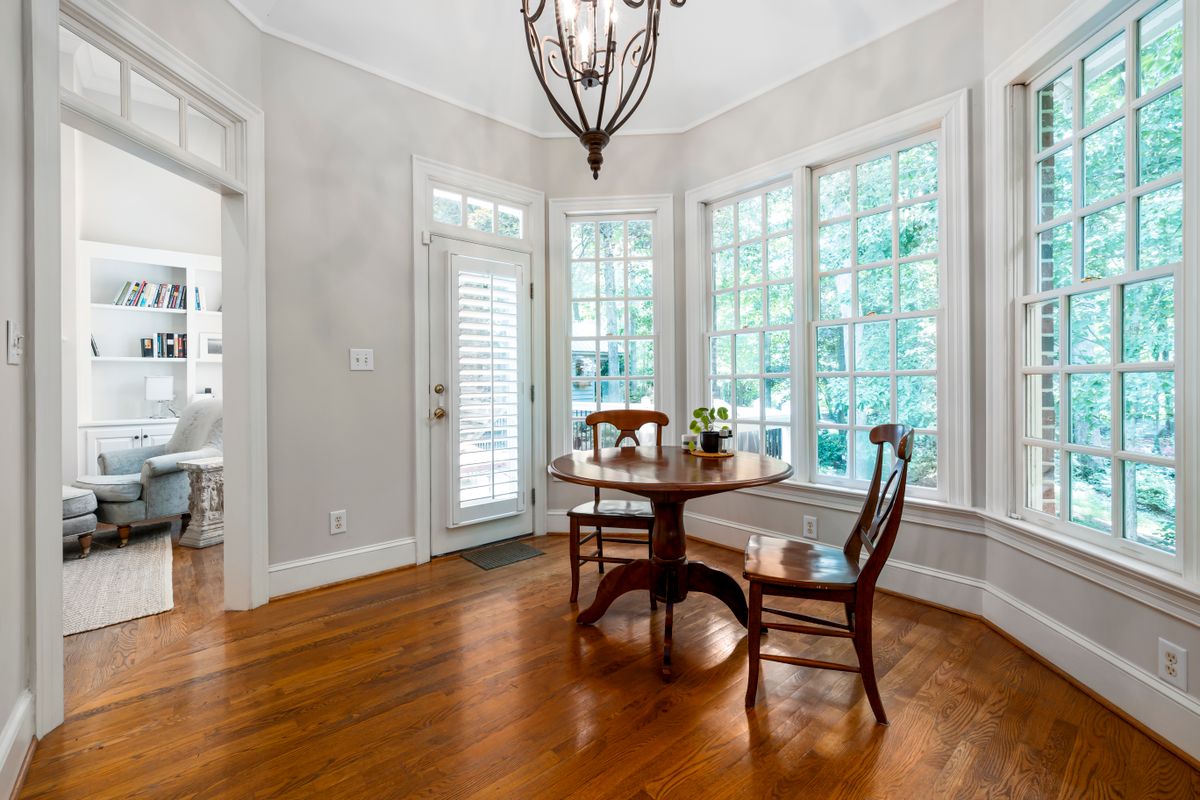
Barriers and placement do the heavy lifting. Water rings form when a cold glass or hot mug sits straight on the wood and moisture or heat gets under the finish. Sun fading happens when the ultraviolet in daylight slowly bleaches the surface colour. Both are easy to design out.
For everyday protection, build a few simple habits:
- Use coasters under drinks and trivets under hot dishes, every time.
- Set a cloth runner or placemats under items that stay put, like a fruit bowl or lamp.
- Blot spills straight away rather than letting them sit.
Sunlight needs a plan of its own. A piece parked in the path of the afternoon sun will fade unevenly, so the side facing the window ages faster than the rest. Sheer curtains, blinds or window film cut the ultraviolet without making the room dark. Rotating smaller pieces now and then also evens out any colour change, so one half does not end up lighter than the other.
If a faint white ring does appear, it is often just moisture trapped in the finish rather than damage to the wood. A gentle warm-up with a hairdryer on low, or a careful rub with a little wax, can lift many of them before you reach for anything stronger.
When Should You Re-Oil or Refinish Wooden Pieces?
Let the wood tell you. The clearest test is the simplest: splash a few drops of water on the surface. If it beads up, the finish is still working. If it soaks in fast and darkens the timber, the protective layer has worn thin and the piece is asking for a fresh coat.
For most oiled furniture in a Malaysian home, once or twice a year keeps things healthy. High-use surfaces like a dining table or a desk may want it a little more often, while a display cabinet can go longer. Signs it is due include a dry, dull look, a slightly rough feel, or pale patches where the finish has rubbed away.
Re-oiling is a job most owners can do themselves:
- Clean the surface and let it dry fully.
- Lightly sand rough spots with fine paper if needed, following the grain.
- Wipe on a thin, even coat of the correct furniture oil.
- Leave it to soak in, then buff off the excess with a clean cloth.
- Let it cure before putting anything back on top.
Refinishing is a bigger job, and you only need it when the surface is deeply scratched, stained or peeling beyond what a coat of oil can fix. At that point, a professional restorer or the original maker is the safer bet, especially for a piece you want to keep for decades. A well-made item is worth that care, which is part of why it pays to buy from a maker who builds for the local climate in the first place.
Start today with the easiest win: buy a small hygrometer, set it near your main wood pieces, and check it for a week. Once you can see what your rooms are actually doing, keeping humidity in range and your furniture in good shape becomes a quiet habit rather than a worry.