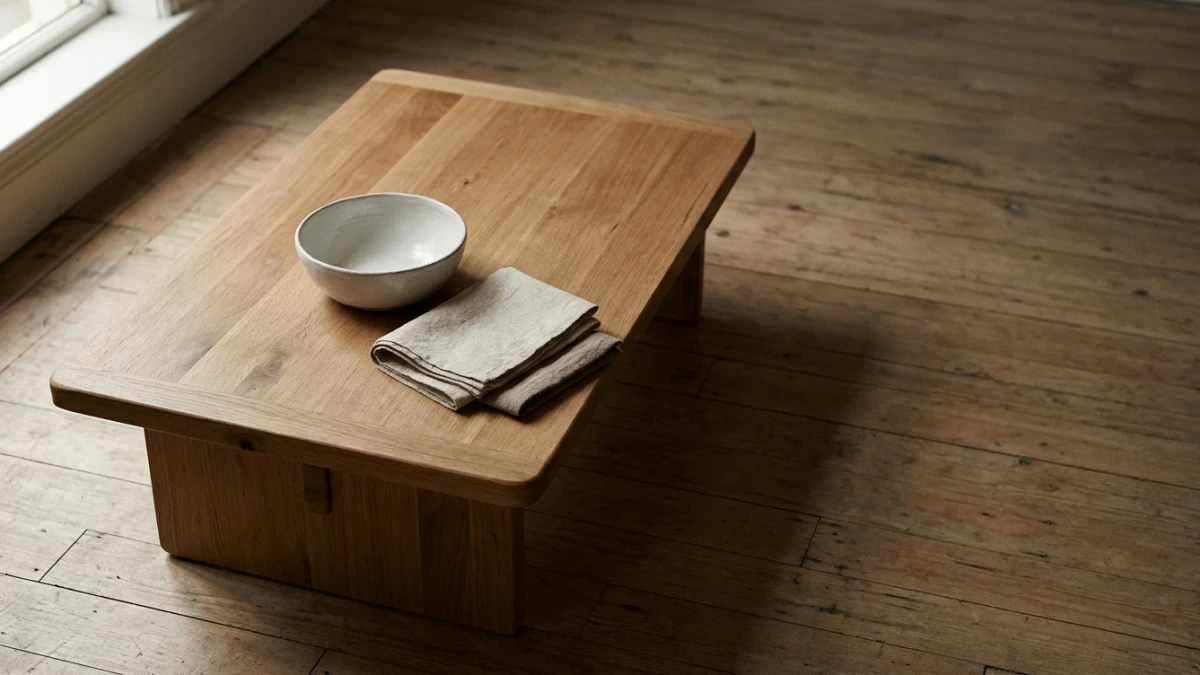
Japandi is a calm, warm take on minimalism that blends Japanese restraint with Scandinavian comfort. For a Malaysian home, it works because its core materials breathe in humidity and its uncluttered rooms stay cool and easy to live in. This guide explains what Japandi interior design is, why it fits the tropics, and how to bring it into your own space without stripping away all the warmth.
What Japandi Interior Design Is and Why It Suits Tropical Interiors
The name is a blend of "Japan" and "Scandi." The style grew out of a shared belief in two very different design cultures: that a room should be quiet, well made and free of anything that does not earn its place. From Japan it borrows wabi-sabi, the appreciation of natural imperfection and age. From Scandinavia it takes hygge, the sense of cosy, functional ease. Put them together and you get spaces that feel both disciplined and welcoming.
Those ideas translate unusually well to Malaysia. Daytime temperatures sit high and relative humidity runs roughly 70 to 90 percent for much of the year, so the materials you choose matter as much as the look. Japandi leans on breathable natural materials such as rattan, cane, bamboo and solid wood, which handle moisture better than sealed synthetics. Light, neutral tones reflect heat rather than soaking it up. And the open, clutter-free layout at the heart of the style keeps air moving and gives mould and mildew fewer surfaces to settle on.
There is a wellbeing case too. A 2025 study in PLOS ONE found that 25 percent of office workers surveyed felt their environment did not support their wellbeing, and among that group 64 percent pointed to a lack of greenery and 61 percent to the absence of art or natural detail (PLOS ONE, 2025). Japandi answers both quietly: a plant or two, natural materials underfoot, and a single considered object on a shelf.
Core Elements: Natural Wood, Neutral Tones and Clean Lines
Three things define the style, and getting them right is most of the work.
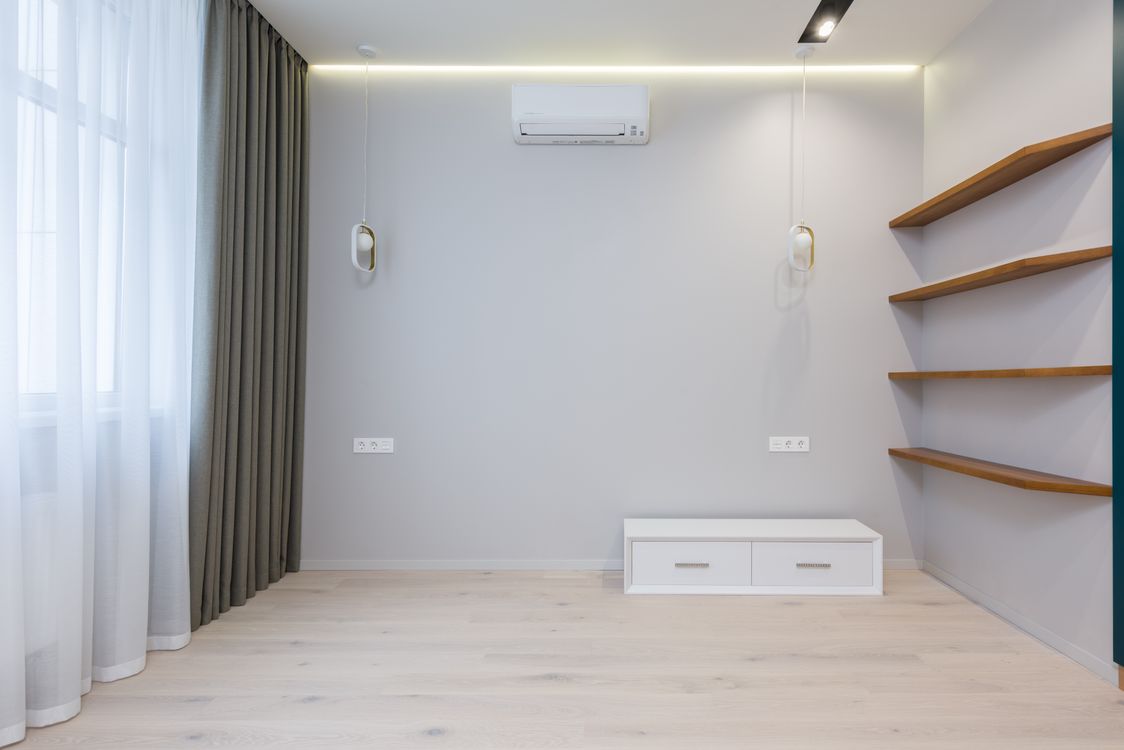
Natural wood. Wood is the anchor of any Japandi room. Japanese interiors tend toward darker, richer grains while Scandinavian rooms favour pale ash and oak, and Japandi sits comfortably between the two. In a humid climate the species matters. Oily hardwoods such as teak carry natural oils that resist rot and insects, which is why they have been used in the tropics for generations. Sustained humidity above 60 percent is enough to make wood absorb moisture and swell, so cheaper veneers and chipboard tend to lift and warp over time (Purdue Extension). Solid timber ages instead of failing.
Neutral tones. The palette stays quiet: warm whites, soft greys, oatmeal, clay and muted earth tones. These shades let the grain of the wood and the texture of linen do the talking. They also keep a room feeling open and cool, which is no small thing when the afternoon sun is strong.
Clean lines. Japandi furniture favours low profiles and simple silhouettes. Legs are slim, edges are soft rather than ornate, and nothing shouts for attention. The restraint is the point. When every piece is simple, the eye can rest, and the room feels larger than its square footage.
Choosing Furniture That Balances Warmth and Simplicity
Minimalism can tip into coldness if you are not careful. The trick with Japandi is to keep the lines simple but let the materials add warmth.
Start with the anchor pieces. A low wooden dining table, a sofa with a clean frame and soft neutral upholstery, and a pair of well-made chairs will carry most rooms. Favour linen and cotton over glossy synthetics; they feel better in heat and suit the muted palette. If you are weighing comfort against looks when you shop for seating, our guide to picking dining chairs walks through how to judge both at once, which matters more than it sounds when every piece has to count.
A few principles make the choices easier:
- Buy fewer, better pieces. One solid-wood table outlasts three flat-pack ones and ages more gracefully.
- Keep furniture low. Low profiles draw the eye down and open up the vertical space above, which reads as calm.
- Mix textures within the neutral range. Pair smooth wood with woven cane, rough linen with a ceramic lamp. Texture is how a quiet palette stays interesting.
- Leave room to move. Empty floor is part of the design, not a gap to fill.
Decluttering and Styling Tips for a Calm Space
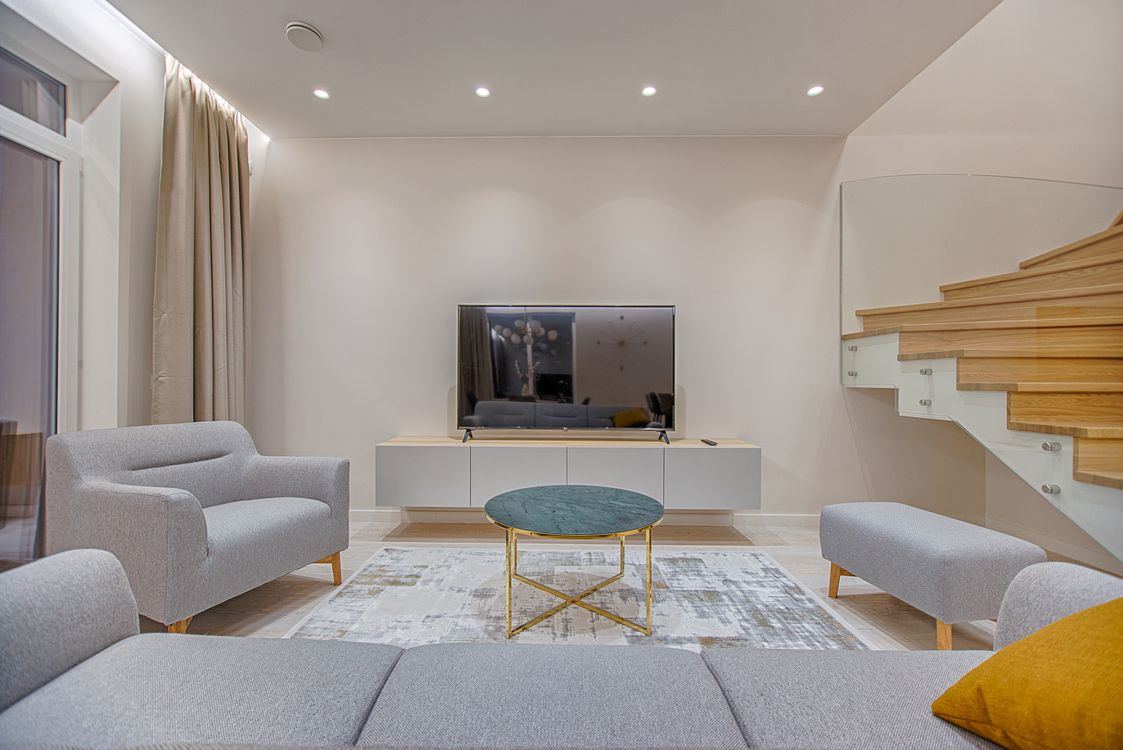
Japandi lives or dies by what you choose to leave out. A beautiful piece of furniture loses its effect in a crowded room, so styling here is mostly editing.
Work surface by surface. A coffee table might hold a single stack of books and nothing else. A sideboard might carry one ceramic vessel and a small plant. The rule of thumb is to leave most of every surface empty and let the few objects you keep feel deliberate.
Give storage a real job. Closed storage hides the clutter that breaks the calm, while open shelving should be styled sparingly, not packed. In a tropical home, good storage also keeps dust and damp off the things you care about.
Bring in greenery with restraint. One or two plants add life and a touch of the biophilic benefit noted earlier without crowding the room. Choose species that cope with indoor humidity and group them rather than scattering pots everywhere.
Light the room softly. Warm, layered lighting suits the palette far better than a single bright ceiling fixture. Paper shades, rattan pendants and low lamps all echo the natural-material theme, and arranging a living room around a few key pieces keeps the effect intact.
Nicchris Pieces That Fit the Japandi Aesthetic
Nicchris designs modern furniture for Malaysian living, which makes it a natural fit for a Japandi home. The brand's sofas, dining tables and chairs favour the clean lines, solid wood and neutral upholstery the style is built on, and the pieces are made with the local climate in mind.
For the living room, look to a low-profile sofa with a simple timber or metal frame and linen-toned cushions, kept company by an uncluttered coffee table. In the dining area, a solid-wood table paired with minimal chairs gives you the warm, grounded centre the style needs. Across the range the emphasis stays on honest materials and quiet silhouettes rather than decoration for its own sake, which is exactly what Japandi asks for.
The point is to let the grain and tone of real timber read clearly in the room, pairing pieces so the wood carries the space rather than competing with it.
Start small. Pick one anchor piece, a dining table or a sofa, in solid wood and a neutral finish, clear the surfaces around it, and add a single plant. Live with that for a while before adding anything else. Japandi rewards patience, and a room built one considered piece at a time will feel calmer than one furnished all at once.