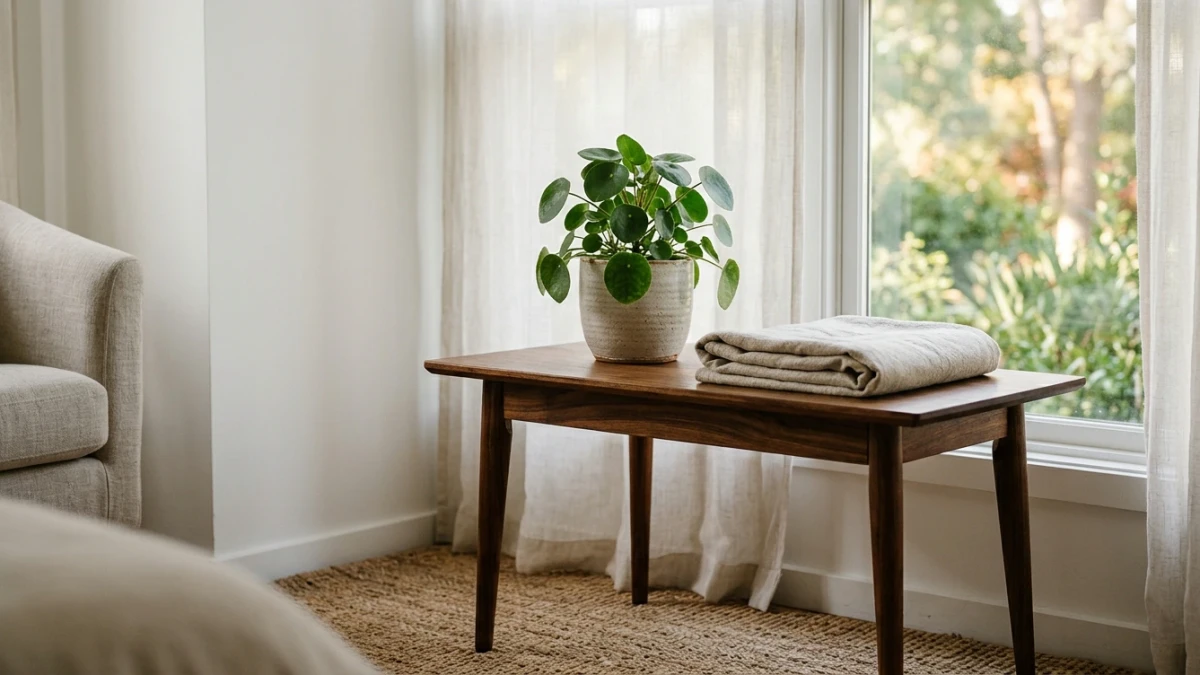
Scandinavian furniture is a functionalist style from the Nordic countries, built on light woods, natural materials and simple, comfortable forms. It suits Malaysian homes beautifully once you adapt it for heat and humidity: pick moisture-tolerant timbers, breathable textiles and a few purposeful pieces that let daylight and air move freely. This guide walks through what the look is, why it travels so well, and how to make it feel at home in a tropical apartment or house.
The appeal is easy to understand. Bright, airy rooms feel larger and calmer, which matters in compact city living. The restraint of the style also ages well, so a room you furnish this year still reads as modern a decade later.
What defines Scandinavian design and its appeal?
Scandinavian design is a functionalist tradition that emerged in the Nordic countries during the early twentieth century, then gained wide international recognition after a touring North American exhibition in the late 1950s. Its hallmarks are light colors, natural materials and a strong focus on everyday usefulness, and that mix of beauty and practicality is exactly why it still feels current today.
Three ideas carry the whole style. First, function leads: a chair should be comfortable and a shelf should earn its place. Second, light-colored wood and honest materials keep rooms feeling open. Third, the Danish idea of hygge, a sense of warmth and ease, shapes how a room feels to live in.
Why does it travel so well to warm climates? The core instinct, maximize daylight and keep clutter low, is exactly what a bright tropical home wants. You are working with the sun, not against it. That shared logic is why Scandinavian interior design reads so naturally in a sunlit Kuala Lumpur apartment.
Light woods, soft textiles and functional forms
The material palette is the quickest way to recognize the look: pale timber, woven textures and soft, washable fabrics. Light oak, ash and birch set the tone, paired with linen, wool and cotton. Forms stay clean, with slim legs, low backs and gentle curves rather than heavy, carved frames.
Texture does the heavy lifting in a near-neutral room. A chunky knit throw, a jute rug and a ceramic vase add depth without adding color noise. Keep upholstery in off-white, oatmeal, pale grey or soft sage so the wood stays the star.
Function should guide every buy. A dining chair needs to be comfortable through a long meal, and a sofa needs to suit how your family actually sits. Before you fall for a shape, sit in it and picture a full evening in that seat. In this style, comfort and quality of make matter more than any passing trend.
Adapting the look to tropical homes and bright light
The Nordic palette was designed for long, dark winters, so it needs small adjustments for Malaysia's heat and humidity. The biggest change is material choice. Humidity swells and warps the wrong timber, so lean toward woods that cope with damp air and air-conditioning cycles, such as teak, rubberwood and well-finished oak.
Our region's furniture market is growing quickly, which means more of these climate-ready pieces are reaching Malaysian homes. The Malaysia furniture and interior design market was valued at USD 2,430 million in 2025 and is forecast to reach USD 3,979 million by 2032, a compound annual growth rate of 7.30% (Ken Research, 2026). More supply makes it easier to find Scandi-leaning designs built for the tropics rather than for Stockholm.
Light is your other lever. Nordic rooms chase every ray; here you have daylight to spare. Keep walls pale to bounce that light around, but filter harsh afternoon glare with sheer linen curtains. Then warm the cool base with terracotta, caramel and rattan accents, plus plenty of green plants, so the room feels inviting rather than clinical. Protecting the timber matters too, so wipe up spills quickly, keep pale finishes out of direct afternoon sun, and run a dehumidifier or air-conditioning during the wettest months to stop damp from reaching the wood.
Keeping spaces airy with minimal, purposeful pieces
Airiness comes from restraint, not from a bigger room. Buy fewer, better pieces and give each one space to breathe. A room with three considered items and clear floor around them feels larger than one crammed with matching sets.
A few habits keep a space open. Choose furniture on slim, raised legs so you can see the floor beneath it, which tricks the eye into reading more space. Keep sightlines low with sofas and sideboards that sit under window height. Give storage a job, so clutter has somewhere to go and surfaces stay clear.
Scale is the quiet mistake people make in small homes. A sofa that looks neat in a showroom can swallow a condo living room, so measure your walkways first and leave at least a forearm of clear floor between large pieces. A good Scandinavian interior design scheme leaves breathing room on purpose, because the empty space is part of the design, not a gap waiting to be filled.
This clear, calm instinct is why the Scandinavian look pairs so well with its Japanese-influenced cousin, Japandi, which leans on the same wood-and-linen palette that handles tropical living well. When you are weighing seating for the room, our guide on choosing between a leather and a fabric sofa covers how each behaves day to day, which matters more in this pared-back style than any passing trend.
Nicchris designs that bring Scandi warmth home
The appetite for this style is not only local. The Nordic home furnishing market itself was valued at USD 20,581.6 million in 2025 and is projected to reach USD 27,265.9 million by 2032 (Metastat Insight, 2026), a sign of how durable the aesthetic has proven over decades. That staying power is what makes it a safe long-term choice for a home you plan to live in.
At Nicchris, we design modern sofas, dining tables and chairs with exactly this sensibility: light timber, clean lines and comfort that holds up to daily Malaysian life. Our pieces are made with the local climate in mind, so the wood and finishes are chosen to live with humidity rather than fight it.
A good starting point is one anchor piece, usually the sofa or the dining table, in a pale wood or neutral fabric. Build the rest of the room around it slowly, adding texture and warmth as you go. That patient, one-good-piece-at-a-time approach is the most reliable way to land the Scandinavian look without the room feeling staged.
Start with a single anchor piece this season, a light-wood dining table or a neutral sofa, and let the airy, functional style grow from there. Browse the Nicchris collection to find one that fits your space and your light.