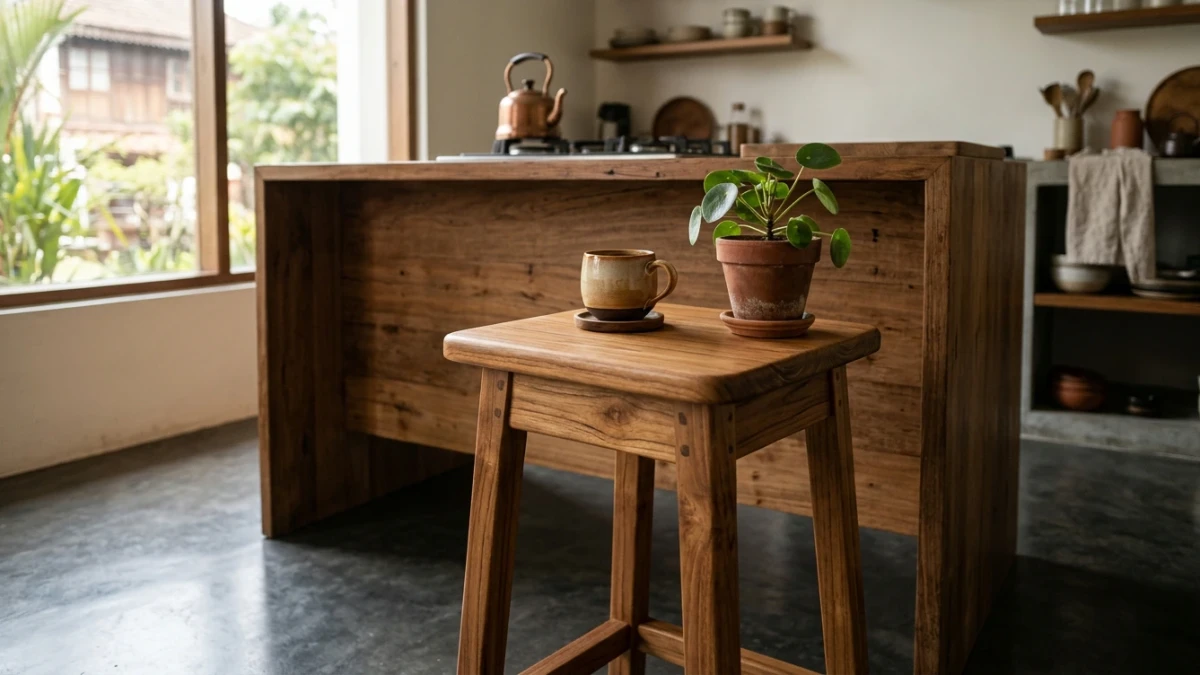
A good wooden stool is one of the few pieces of furniture that pulls its weight in almost any room. It seats a guest, holds a book and a cup, props up a trailing plant, then tucks away when you need the floor back. That range is exactly why a solid wood stool is worth choosing carefully rather than grabbing the first one you see.
This guide walks through how wooden stools actually get used day to day, the shapes, heights and finishes that matter, and how to keep solid wood in good condition through Malaysian humidity. It closes with what changes when you have a stool made to order for your own home.
Everyday Uses for a Wooden Stool
Most people buy a stool for one job and end up using it for three. In a home, a single solid wood stool commonly moves between the kitchen island, the dressing corner and the living room over the course of a week. Its light weight and open frame make it easy to carry and quick to clean under, which is half the appeal.
At a kitchen island or breakfast counter, the stool is a seat you perch on rather than sink into. In a bedroom it becomes a spot to sit while putting on shoes, or a landing pad for tomorrow's clothes. By a bathtub or shower it holds towels. The same piece can host an extra guest at a gathering, then return to quiet duty the next morning.
Because a stool has no arms or back to fight with, it slides fully under a counter and disappears. In a compact apartment that visual tidiness is worth as much as the seat itself. If you want a seat that reads as furniture in its own right, with a backrest and more lounging comfort, a solid wood dining chair answers a different need, and the two often live happily in the same home.
Solid Wood Shapes, Heights and Finishes
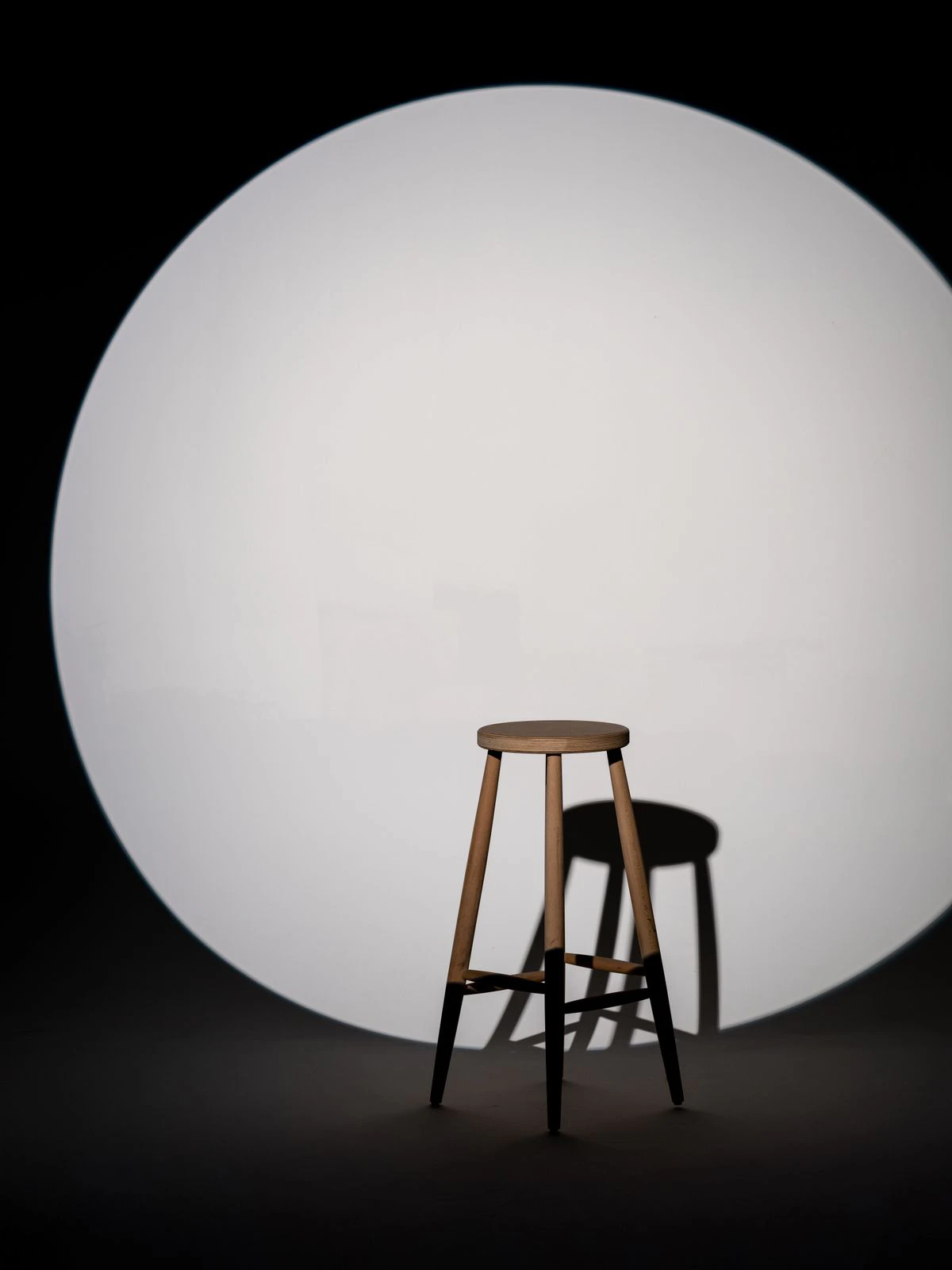
Height is the first decision, and it is dictated by the surface you plan to sit at. Counter stools generally stand 24 to 27 inches at the seat to suit a 36-inch counter, while bar stools run 28 to 30 inches for a 40 to 42-inch bar. Taller spectator stools reach 33 to 36 inches for raised surfaces. A useful rule of thumb is to leave roughly 10 to 12 inches of gap between the seat and the underside of the counter so knees are not jammed.
Legroom under the counter matters too. The National Kitchen and Bath Association planning guidelines call for about 15 inches of knee depth at a 36-inch counter and 24 inches of width per seated person, so stools do not crowd each other (NKBA Kitchen and Bath Planning Guidelines, via Starcraft Custom Builders, retrieved 2026-11-18). If your island has limited overhang, a backless stool that pushes fully underneath is the safer pick.
Shape follows function. Round seats are forgiving to sit on from any angle and have no corners to catch a hip in a tight walkway. Square and rectangular tops give more surface when the stool doubles as a table. Three-leg stools sit rock-steady on uneven floors, while four-leg frames feel more planted for daily seating.
Wood tones and finishes
Finish is where a solid wood stool shows its character. Lighter tones such as oak and ash keep a room feeling open and pair naturally with the Scandinavian and Japandi looks that suit many Malaysian interiors. Warmer species like teak and walnut bring depth and read as more grounded.
The finish itself changes how the stool behaves. An oiled or waxed surface shows the grain, feels natural underhand and can be refreshed in place when it starts to look dry. A lacquered or sealed surface resists spills and scuffs more stubbornly but is harder to touch up invisibly. For a stool that lives near a sink or island, a tougher sealed finish often makes more sense; for a quiet bedroom stool, an oiled surface you can revive yourself is a pleasure to own.
Stools as Extra Seating, Side Tables or Plant Stands
The real argument for a wooden stool is that it refuses to do only one job. A sturdy stool with a flat top works as a compact side table beside a sofa or bed, holding a lamp, a glass of water and a phone without taking up the footprint of a full table. The height that makes it awkward as a coffee table makes it ideal next to a seat.

As a plant stand, a stool lifts a pot off the floor and into the light, which helps both the plant and the room. Raising greenery to seat height draws the eye and keeps leaves away from feet and robot vacuums. A solid wood top handles the occasional drip of watering better than a thin panel, though a saucer under the pot is still wise.
This flexibility earns its place in apartments and condominiums where every piece has to justify the floor it stands on. A single stool that seats a guest, holds a lamp and later carries a fern is three pieces of furniture in one. In tight layouts, that kind of double duty is often the difference between a room that feels furnished and one that feels crowded.
Durability and Care for Wood Stools
Solid wood is one of the few furniture materials that rewards being used hard over years, because a seat that scuffs or dries out can be sanded and refinished rather than thrown away. That repairability is the main reason a well-built wood stool can stay in a family for a very long time, outliving most pieces made from thin board. The trade-off is that wood is a living material and responds to its surroundings.
Malaysia's steady humidity is the real test. Timber takes on and gives off moisture with the air, and large swings can cause joints to loosen or a seat to cup slightly over time. The practical defence is dull but effective: keep the stool out of direct afternoon sun, wipe up spills promptly, run air conditioning or fans to avoid stagnant damp air, and do not shove the piece hard against a wall that sweats with condensation.
Day-to-day care is light. Dust with a soft dry cloth, and clean sticky marks with a barely damp cloth followed by a dry one rather than soaking the surface. When an oiled or waxed finish starts to look thirsty, a fresh coat brings it back. We cover species-by-species habits and seasonal routines in detail in our guide to caring for wood furniture in Malaysia's climate, which is worth a read before you buy any solid wood piece.
Custom Wooden Stools for Selangor Homes
An off-the-shelf stool is designed for an average counter, and your kitchen may not be average. This is where a made-to-order stool pays off: the seat height can be set to the exact gap your island needs, the footprint trimmed to fit a narrow galley, and the wood tone matched to a dining table or cabinet you already own. In tighter Klang Valley layouts, a few centimetres of difference decides whether a stool tucks away cleanly or blocks the walkway.
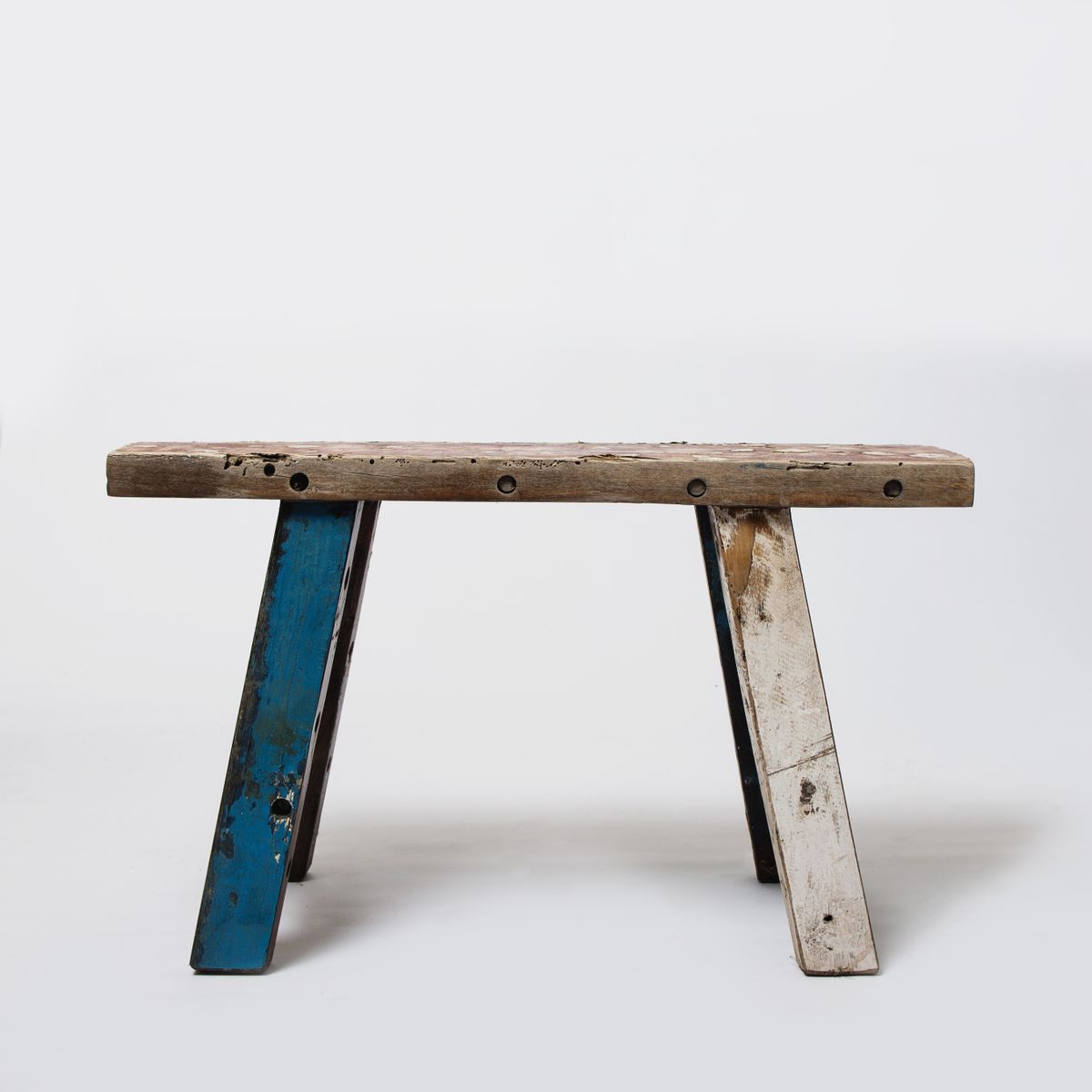
Custom work also lets you control construction and comfort in ways a mass-produced stool cannot. You can specify a slightly contoured seat for longer sits, a footrest at a height that suits your family, or a species chosen for how it will age in a humid home. Nicchris designs and makes furniture in-house in Sungai Buloh, with selected options across dimensions, materials, upholstery and finishes, so a stool can be built around your room rather than the other way round.
If you are weighing the value of made-to-order against ready stock, our piece on what sets bespoke furniture apart lays out where custom genuinely earns its cost and where it may not.
Choosing the Right Stool for Your Home
Start with the surface you are seating people at, measure the gap you have, and pick a height from there. Decide whether the stool needs to be a pure seat or a quiet second job as a table or plant stand, then let that steer the shape and top. Match the finish to where it will live, tougher near water, more natural in calm corners.
If no standard height or footprint fits your space, that is the signal to consider a custom stool rather than compromising on comfort. To talk through dimensions, wood tones and finishes for your own kitchen or living room, explore the Nicchris collections online or arrange a visit to our Sungai Buloh showroom by appointment.